About Pilates
Pilates explained from its roots to modern home practice
This guide takes a bigger look at Pilates: where it came from, how Joseph Pilates developed the method, why Balanced Body helped shape the modern equipment conversation, and how today’s home users are blending classic movement principles with smart digital coaching tools like the AI-powered app from PersonalHour.
Why this site exists
Pilates gets talked about a lot, but it is not always explained well. Some articles make it sound mystical. Others reduce it to a few ab exercises and a nice stretch. The truth is more interesting. Pilates is a movement system with a real history, a clear training logic, and a surprisingly modern feel. The Pilates Blog exists to make that story easier to understand for beginners, home exercisers, curious shoppers, and anyone who wants practical guidance without the jargon fog.
On this page, we are going deeper than a quick overview. We are covering the origins of the method, the ideas that shaped its development, the way equipment evolved over time, the role major brands like BB have played in the modern reformer world, and the way digital tools are changing how people learn. If you have ever wondered how Pilates moved from Joseph Pilates’ original studio to living rooms, boutique studios, and AI-assisted coaching apps, this is the long read for you.
Our story
From curiosity to clarity
The Pilates Blog was built for readers who want Pilates to make sense in real life. That means explaining what the method is, what it is not, how to start safely, how equipment differs, and how to choose tools that match your goals instead of your impulse-buy mood at 11:47 p.m.
We also believe that Pilates deserves context. The method did not appear out of nowhere as a trendy studio class with neutral decor and expensive socks. It has a backstory. It has principles. It has equipment traditions. It has teaching lineages. And now it has a growing digital layer that includes streaming classes, connected reformers, and AI-supported coaching experiences.
- Beginner-friendly explanations
- Long-form buying guidance
- Clear brand comparisons
- Practical home setup advice
- Modern coaching tools explained in plain English
The history of Pilates
To understand modern Pilates, it helps to start with the man behind it. Joseph Pilates was born in Germany in 1883. Accounts of his early life often describe him as a child who dealt with health challenges and became deeply interested in physical conditioning. Whether every detail in the popular retelling is perfectly polished by time or not, the broad picture matters: he became fascinated by the body, by movement efficiency, and by the idea that disciplined exercise could improve quality of life.
Before Pilates became a studio method, Joseph Pilates explored a mix of physical practices and training influences. He studied anatomy, movement, self-defense, gymnastics, and conditioning systems that were circulating in Europe in the late nineteenth and early twentieth centuries. This was a period when physical culture was having a moment. Strength, posture, breath, and disciplined training were all part of a broader conversation about health. Pilates did not invent the idea that movement could be therapeutic or transformative, but he did create a distinct system that organized those ideas in a memorable way.
During World War I, Joseph Pilates was interned in England as a German national. Stories from this period often describe him working with fellow internees and experimenting with movement-based conditioning. One of the most repeated parts of Pilates history is the idea that he attached springs to hospital beds to help patients exercise while lying down. Whether every detail has been simplified over time, that story points to something important: resistance, support, and controlled movement were central to his thinking long before the modern reformer became a polished piece of studio equipment.
After the war, Pilates eventually moved to the United States, where he and his wife Clara opened a studio in New York City in the 1920s. This is the chapter that tends to get referenced most often because it connects directly to the Pilates world people recognize today. The studio attracted dancers, performers, athletes, and people looking for a method that combined strength, control, and recovery-minded training. Dancers in particular helped spread the method because they valued precision, alignment, and the ability to build support without simply adding more impact.
Joseph Pilates originally called his method Contrology. That name tells you a lot. The emphasis was not random exercise volume. It was not mindless repetition. It was not chasing exhaustion for its own sake. The method focused on control of the body through concentration, breath, alignment, and purposeful movement. Modern teachers often summarize Pilates through principles such as concentration, control, centering, precision, breath, and flow. Different schools phrase these principles differently, but the core idea remains recognizable: move with intention, not chaos.
As the method developed, Pilates became known for both mat work and apparatus work. The mat exercises are often what beginners meet first because they are accessible and require little equipment. But the apparatus system was never a side note. Joseph Pilates designed equipment to create resistance, assistance, feedback, and challenge. The reformer, Cadillac, chair, barrels, and other pieces were part of a larger training environment. In other words, Pilates was always more than a mat class. It was a system.
After Joseph Pilates died in 1967, the method continued through teachers who had studied with him or with early second-generation instructors. This is where the Pilates family tree gets interesting. Different lineages preserved different emphases. Some stayed close to classical sequencing and apparatus traditions. Others adapted the method for rehabilitation, general fitness, athletic performance, or broader group instruction. That evolution is part of why Pilates today can mean a quiet private session, a flowing athletic reformer class, a physical therapy-informed program, or a home workout on an app.
One reason Pilates has lasted is that it sits in a useful middle space. It can be gentle without being passive. It can be challenging without requiring impact. It can support beginners while still giving advanced movers endless detail to refine. That flexibility helped the method survive shifts in fitness culture. It lived through aerobics eras, bootcamp eras, boutique fitness booms, and now the hybrid world of home and digital training. Pilates did not disappear because it solves a real problem: people want to move better, not just harder.
The history of Pilates also includes a legal and cultural shift that helped the method spread. In the late twentieth century, the term “Pilates” became more widely usable rather than being locked down as a proprietary label. That mattered because it opened the door for broader teacher training, equipment manufacturing, studio growth, and public awareness. Once the name became part of general fitness language, Pilates expanded quickly. More studios opened. More brands entered the equipment market. More teachers developed specialized approaches. And eventually, more consumers started asking which reformer to buy for home use.
So when people ask what Pilates really is, the historical answer is this: it is a movement method created by Joseph Pilates, shaped by early twentieth-century physical culture, refined through studio teaching, carried forward by generations of instructors, and continually adapted to new contexts. The modern version may look sleeker, more digital, and more commercially varied than the original studio, but the core appeal is still recognizable. Pilates asks you to pay attention, organize your body well, and build strength with control.
What we cover
How Pilates became a modern movement category
As Pilates moved beyond one New York studio, it became both a teaching method and an industry. That shift changed everything. Equipment makers refined apparatus design. Teacher training programs formalized education. Studios developed distinct class styles. Home users began looking for smaller, foldable, and more affordable reformers. And content creators started translating Pilates for online audiences who might never step into a traditional studio.
This is the part of the story that matters for modern readers. Pilates is no longer limited to a niche audience of dancers and insiders. It now serves office workers, older adults, athletes, prenatal clients, rehab-minded exercisers, and people who simply want a low-impact way to get stronger. The method has become more inclusive in practice, even if the marketing around it sometimes still leans a little too hard into polished-studio fantasy.
- Studio Pilates and home Pilates now overlap more than ever
- Equipment ranges from premium commercial machines to compact home models
- Teaching styles span classical, contemporary, rehab-informed, and athletic formats
- Digital coaching has made instruction more accessible
The role of equipment in Pilates
Equipment is one of the biggest reasons Pilates still feels distinctive. Plenty of exercise systems talk about posture, core strength, and mobility. Pilates stands out because its apparatus creates a very specific movement experience. Springs do not behave like free weights. They provide resistance, but they also provide feedback. They can support a movement in one phase and challenge it in another. They can make an exercise more accessible or more demanding depending on setup and intention.
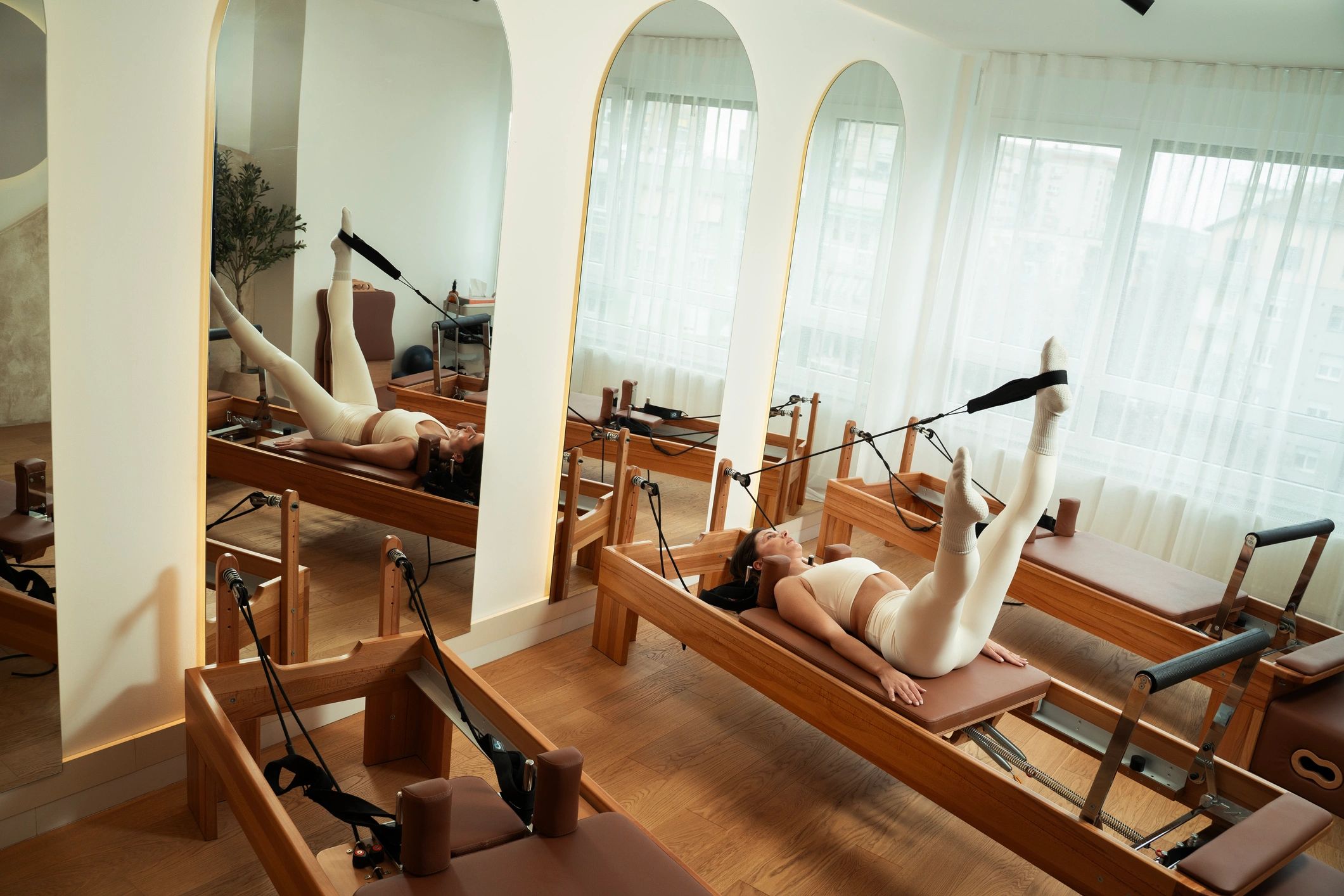
The reformer is the most recognizable piece of Pilates equipment today. It includes a moving carriage, springs, straps, a footbar, and adjustable components that allow a huge range of exercises. For beginners, that can sound intimidating. In practice, the reformer is often one of the reasons people fall in love with Pilates. It gives structure. It helps people feel alignment. It adds variety. It can make some movements easier to understand because the machine gives immediate physical feedback.
But the reformer is only part of the larger apparatus family. The Cadillac, chairs, barrels, and smaller props all contribute to the method’s versatility. Historically, Pilates was designed as a system in which different tools served different purposes. That systems mindset is still useful today. Even if someone only practices mat Pilates at home, understanding the equipment helps explain why the method developed the way it did. Pilates was never just floor work. It was a movement environment.
Modern equipment design has also changed the consumer conversation. Commercial studio reformers prioritize durability, adjustability, and professional use. Home reformers often prioritize storage, price, footprint, and ease of assembly. Some buyers want a machine that feels as close as possible to studio equipment. Others want something compact enough to slide under a bed or fold into a corner. Neither goal is wrong. The best choice depends on budget, space, experience, and how seriously someone plans to build Pilates into their weekly routine.
This is where brand identity becomes important. Different manufacturers have shaped expectations around quality, training ecosystems, accessories, and user experience. Some brands are strongly associated with studio professionalism. Others are known for accessible home entry points. Some focus on premium craftsmanship. Others focus on convenience and affordability. If you are researching reformers today, you are not just buying a machine. You are buying into a design philosophy.
BB brand
Why Balanced Body matters in the Pilates conversation
When readers ask about the BB brand, they are usually referring to Balanced Body, one of the most recognizable names in modern Pilates equipment. Balanced Body has become a major reference point because it sits at the intersection of equipment manufacturing, teacher education, and mainstream Pilates visibility. In many studios, a reformer from Balanced Body is part of what people picture when they imagine a professional Pilates setup.
Balanced Body matters for a few reasons. First, it helped standardize expectations around quality and functionality in a growing market. As Pilates expanded beyond a relatively small network of insiders, people needed equipment that was reliable, adjustable, and suitable for both teaching and long-term use. Balanced Body became one of the brands associated with that professional standard. Second, the company has been influential in education. Equipment and education often reinforce each other in Pilates, and brands that support both tend to shape the broader conversation.
For home buyers, the significance of BB is not just that it is well known. It is that the brand represents a certain benchmark. People compare other reformers to it. They ask whether a home model feels “studio quality” in a Balanced Body sense. They use BB as shorthand for durability, smoother carriage travel, better adjustability, and a more polished training experience. That does not automatically mean it is the right choice for every buyer, especially if budget and space are tight, but it does explain why the brand comes up so often in serious reformer research.
There is also a cultural reason BB matters. Pilates can feel fragmented because there are so many teaching styles and equipment options. A brand like Balanced Body becomes a common language point. Studio owners know it. Instructors know it. Enthusiasts know it. Buyers researching premium machines quickly encounter it. In that sense, BB is not just a manufacturer. It is part of the infrastructure of modern Pilates.
That said, brand recognition should not replace thoughtful buying. A premium brand can be excellent and still not be the best fit for a first-time home user. Someone living in a small apartment may care more about storage than studio authenticity. Someone testing whether they even enjoy reformer practice may want a lower-cost entry point. Someone already committed to Pilates long term may decide that investing in a BB-style machine makes sense because they want the closest possible match to a studio feel. The right decision depends on context, not just reputation.
- BB is often treated as a studio-quality benchmark
- The brand is closely tied to professional Pilates education and equipment standards
- It is especially relevant for buyers comparing premium reformers
- It may be aspirational for some home users, but not automatically necessary for everyone
Modern Pilates and the shift to home practice
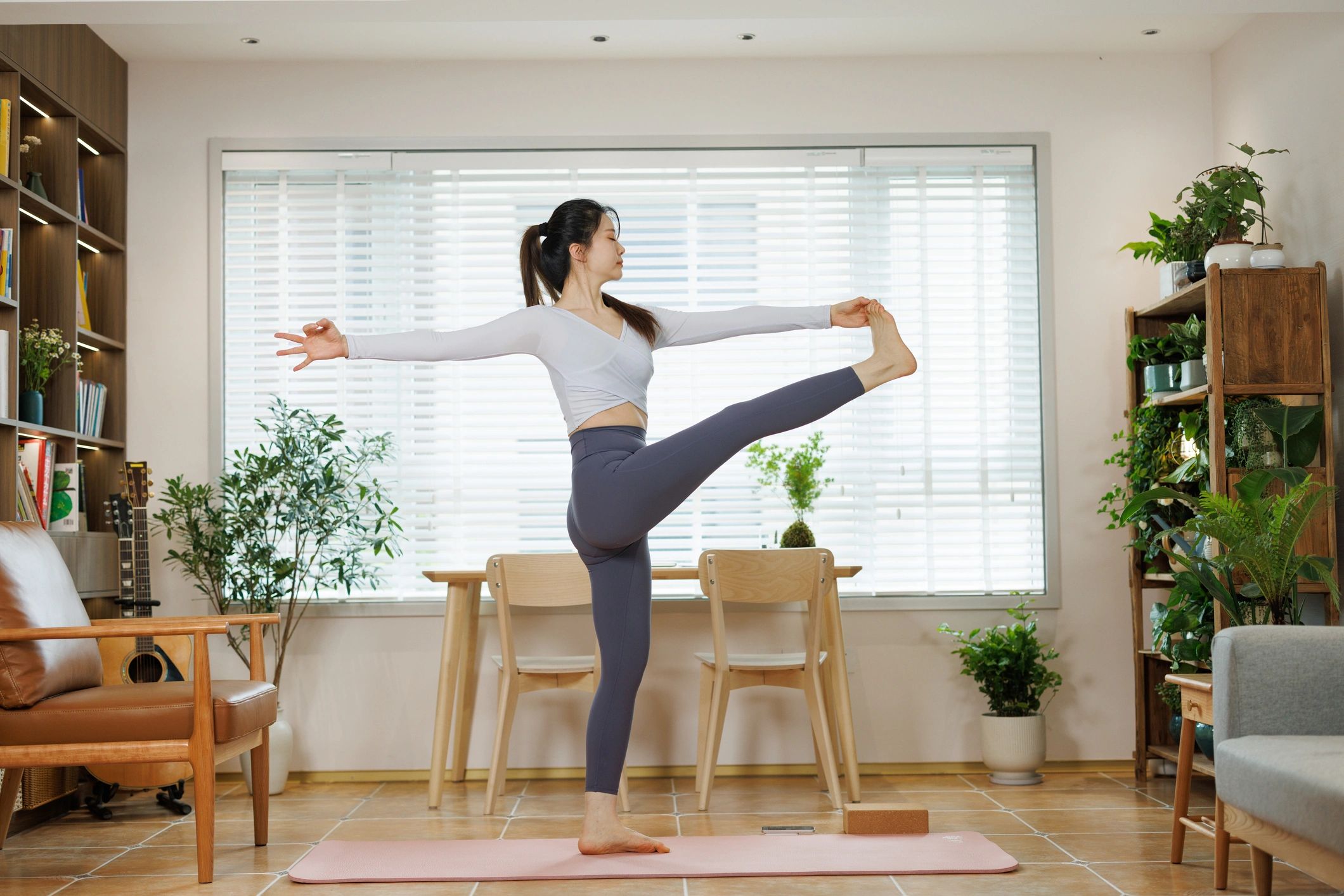
Modern Pilates is shaped by convenience as much as tradition. For years, the method was strongly associated with in-person instruction, boutique studios, and specialized equipment. That is still a major part of the Pilates world, but it is no longer the whole picture. Home workouts, streaming platforms, compact reformers, and digital communities have changed how people begin and sustain a Pilates practice.
One of the biggest changes is that people now expect flexibility in how they learn. A beginner might watch short educational clips, take a few mat classes online, read buying guides, and eventually invest in a home reformer. Another person might start in a studio, then shift to hybrid training because commuting to class three times a week is not realistic. Modern Pilates works because it can move across those environments. The method is structured enough to maintain its identity, but adaptable enough to fit real schedules.
Home practice has also changed the content people need. It is not enough to say “engage your core” and hope for the best. Home users need setup guidance, progression ideas, safety reminders, and realistic expectations. They need help understanding spring resistance, carriage control, footbar positions, class pacing, and how to avoid turning every session into a rushed imitation of a studio class. Good home Pilates content respects the fact that people are learning without a teacher physically in the room.
Another modern shift is the widening audience. Pilates is now marketed to strength-focused exercisers, mobility seekers, postpartum users, older adults, desk workers, and people who simply want a more sustainable relationship with exercise. That wider audience is good for accessibility, but it also creates noise. Some marketing oversimplifies Pilates as a quick fix for everything. Some turns it into pure aesthetics. Some strips away the method’s depth entirely. The challenge for readers is learning how to separate useful guidance from polished nonsense.
At its best, modern Pilates keeps the original spirit of control and precision while embracing tools that make learning easier. That means better beginner education, clearer progressions, more transparent product comparisons, and smarter digital support. It means recognizing that a person can care about movement quality and still appreciate convenience. It means understanding that tradition and technology do not have to fight each other all the time.
There is also a practical reason Pilates fits the modern home-fitness era so well: it rewards consistency over spectacle. You do not need a giant room, a blaring playlist, or a heroic personality shift to benefit from Pilates. You need attention, repetition, and a setup you can actually use. That is why so many people stick with it. It can become part of daily life instead of a dramatic event that only happens when motivation is perfect.
PersonalHour and the rise of AI coaching
One of the more interesting developments in modern Pilates is the arrival of AI-supported coaching. This is where PersonalHour enters the conversation. Rather than treating Pilates content as a static library of videos, the AI coaching app from PersonalHour points toward a more responsive experience: one where guidance can be shaped around user goals, available equipment, schedule, and progress over time.
For many home users, the hardest part of Pilates is not motivation. It is decision fatigue. What class should I do today? Is this level right for me? How do I progress without jumping too far ahead? What if I only have twenty minutes? What if I have a reformer one day and only a mat the next? A smart coaching layer can help answer those questions more efficiently than a giant content library that leaves users scrolling forever.
The promise of an AI coaching app is not that it replaces every skilled instructor. It is that it can make home practice more structured and more personalized. If used well, AI can help users build consistency, choose appropriate sessions, and connect separate workouts into a more coherent plan. That matters because Pilates works best when it is practiced progressively. Random class selection can be fun, but progression is what helps people feel stronger, more coordinated, and more confident over time.
PersonalHour is especially relevant in a home-fitness context because it aligns with how people actually train now. Many users want flexibility, but they do not want to feel lost. They want convenience, but they also want some sense of expert logic behind the recommendations. AI coaching can bridge that gap by making digital guidance feel less generic. Instead of asking users to become their own program designer from day one, it can help narrow choices and support habit-building.
There are, of course, limits. AI coaching is only as useful as the quality of the content, programming logic, and safety framing behind it. It should support good decision-making, not pretend to diagnose injuries or replace individualized medical advice. For Pilates users, that distinction matters. A coaching app can be excellent for planning, progression, and accountability while still needing users to exercise judgment, especially if they are dealing with pain, pregnancy, rehab needs, or complex movement limitations.
Still, the broader trend is clear. Pilates is moving into a phase where equipment, content, and coaching are increasingly connected. PersonalHour represents that shift. It reflects a future in which the method is not just taught in person or watched on demand, but actively guided through adaptive digital tools. For home users, that could make Pilates more approachable, more consistent, and less overwhelming.
- AI coaching can reduce decision fatigue for home users
- It can support progression instead of random class-hopping
- It works best as a guide, not as a substitute for medical or hands-on instruction
- PersonalHour fits the growing demand for flexible but structured home Pilates support
Why people still love Pilates
For all the history, branding, and technology around Pilates, the reason it endures is simple: it feels useful. People like exercise methods that help them notice change in everyday life. Pilates can make standing feel easier, sitting feel less collapsed, walking feel more organized, and other workouts feel more connected. It often improves how people relate to movement, not just how they perform during a single session.
Another reason Pilates lasts is that it teaches attention. In a fitness culture that often rewards speed, noise, and intensity theater, Pilates asks for precision. That can feel refreshing. You are not just trying to survive the workout. You are trying to understand it. Over time, that creates a different kind of confidence. People begin to trust their movement more because they are not just copying shapes. They are learning how to organize effort.
Pilates also adapts well across life stages. Beginners can start with basic mat work. Athletes can use it to refine control and support performance. Older adults can appreciate the low-impact nature and focus on balance, alignment, and strength. Home users can scale it around space and equipment. That flexibility gives Pilates unusual staying power. It is not tied to one narrow identity unless marketing decides to be weird about it.
And yes, people love Pilates because it can be enjoyable. The method has a rhythm to it. The reformer has a satisfying glide. Progress can feel subtle but meaningful. You may not always finish a session feeling dramatically destroyed, but you often finish feeling more awake in your body. That is a different kind of reward, and for many people it is exactly what makes the method sustainable.
Overview
Key takeaways
If you want the short version after the long read, here it is: Pilates began as Joseph Pilates’ system of controlled movement, evolved through studio teaching and apparatus design, expanded through major brands like Balanced Body, and is now entering a new phase shaped by home reformers, digital education, and AI-supported coaching from platforms like PersonalHour.
Pilates has deep roots
The method grew from Joseph Pilates’ original Contrology system and has always emphasized precision, breath, and purposeful movement.
Brands shape expectations
BB, commonly understood as Balanced Body, is one of the key names people use when talking about studio-quality reformers and professional Pilates equipment standards.
Home Pilates is here to stay
Modern users want flexible, realistic training options, and Pilates adapts especially well to home routines when the guidance is clear.
Technology is changing coaching
The AI coaching app from PersonalHour reflects a growing shift toward more personalized, structured support for home Pilates users.
Keep exploring Pilates
Whether you want beginner guidance, reformer advice, or smarter buying tips, we’ve got more friendly reads waiting for you.
FAQ
Common Pilates questions
A few quick answers for readers who are just getting started with Pilates, researching reformers, or trying to understand how modern tools fit into the method.
Is Pilates good for beginners?
Yes. Pilates can be very beginner-friendly because exercises can be modified and progressed gradually as your strength, coordination, and confidence improve.
Do I need a reformer to start?
No. Many people begin with mat Pilates first. A reformer can add support and variety, but it is not required to learn the basics of the method.
What does the BB brand mean in Pilates?
BB usually refers to Balanced Body, a major Pilates equipment brand often associated with studio-quality reformers, professional training environments, and premium build standards.
How does AI coaching fit into Pilates?
AI coaching can help home users choose classes, build consistency, and follow a more structured progression. Tools like the PersonalHour app are part of a broader shift toward more personalized digital support.
Can I do Pilates at home and still make progress?
Absolutely. With clear instruction, realistic progressions, and a setup you can use consistently, home Pilates can be practical, effective, and easier to maintain long term.