Find the Right Reformer
Buying a Pilates reformer sounds exciting until you realize how many choices are out there. Suddenly you are comparing wood versus aluminum, folding versus studio frames, springs versus cords, carriage length, footbar positions, warranties, and prices that can range from “totally manageable” to “why does this cost more than my couch?” This expanded guide from The Pilates Blog is here to make the process easier. We break down what actually matters, what is mostly marketing fluff, how to match a machine to your body and your home, and how top brands like Balanced Body, Merrithew, PersonalHour, Peak Pilates, and AeroPilates fit into the current market.
Buying guide
What to Check First
If you only remember one thing from this page, let it be this: the best reformer is not the fanciest one. It is the one you will actually use consistently, safely, and comfortably. Before you get distracted by polished product photos or dramatic promises about studio-quality everything, start with the practical filters that shape your day-to-day experience. Think about how often you plan to practice, how much room you really have, whether multiple people will use the machine, and whether you want a beginner-friendly setup or something that can grow with a more serious routine. Those answers will narrow the field faster than any ad ever will.
Build quality
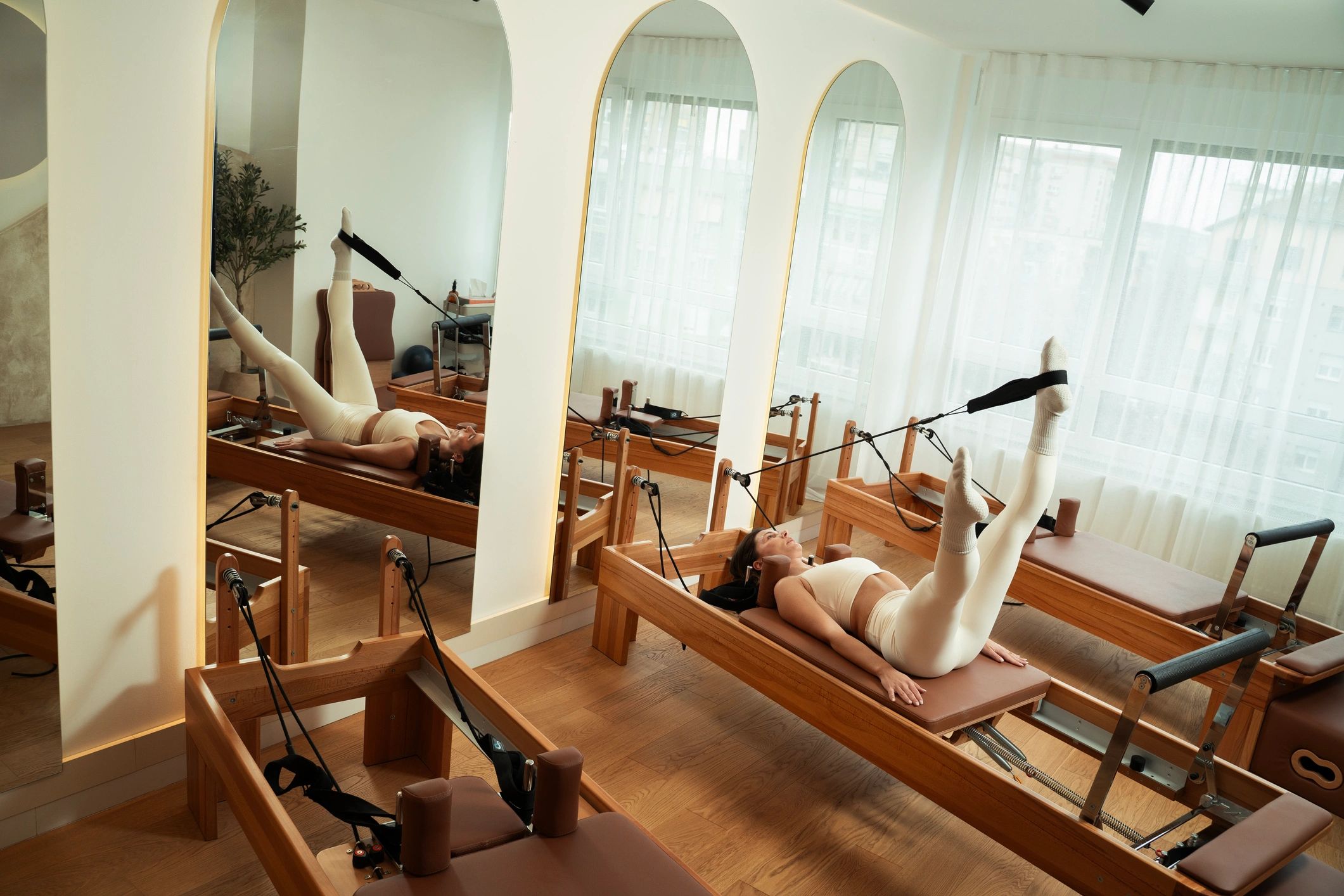
Build quality affects everything from how stable the frame feels under load to how smooth the carriage glides during footwork, bridges, lunges, and core work. A strong reformer should feel planted rather than shaky, and the moving parts should operate quietly and predictably. Pay attention to the frame material, the finish, the rails, the upholstery, and the hardware. A machine that looks beautiful but rattles, sticks, or flexes under pressure will get old very quickly. This is one reason premium names like Balanced Body, Merrithew, and Peak Pilates often appeal to long-term users, while more budget-friendly brands like AeroPilates and some PersonalHour models may attract home users who want a more accessible entry point.
Resistance options
Resistance is where a reformer starts to feel either intuitive or frustrating. You want enough spring variety to support beginner sessions now and more advanced work later. Too little range can make the machine feel limiting, while a confusing setup can make every workout feel like a puzzle. Check how resistance is adjusted, how clearly the springs are labeled, and whether the machine supports progressive use. If you are buying for a household with different experience levels, resistance flexibility matters even more.
Size and storage
Space is the reality check that saves people from expensive mistakes. Some reformers are designed to live proudly in a dedicated room. Others are made to fold, roll, or store upright between sessions. Measure not only the footprint of the machine but also the clearance around it, the path it must travel through your home, and the ceiling height if accessories or vertical storage are involved. A reformer that technically fits but makes your room unusable is not a good fit. This is where compact and home-focused options from brands like AeroPilates and PersonalHour can stand out.
Comfort and fit
Comfort is not a luxury feature. It is part of whether you will want to use the machine regularly. Shoulder rests, carriage padding, footbar positions, platform height, and carriage length all affect how supported you feel. Taller users may need more carriage travel. Beginners may prefer a setup that feels forgiving and easy to understand. If you are recovering from discomfort or want a gentler home routine, comfort details matter even more than aesthetics.
Compare the Big Decision Points
For beginners
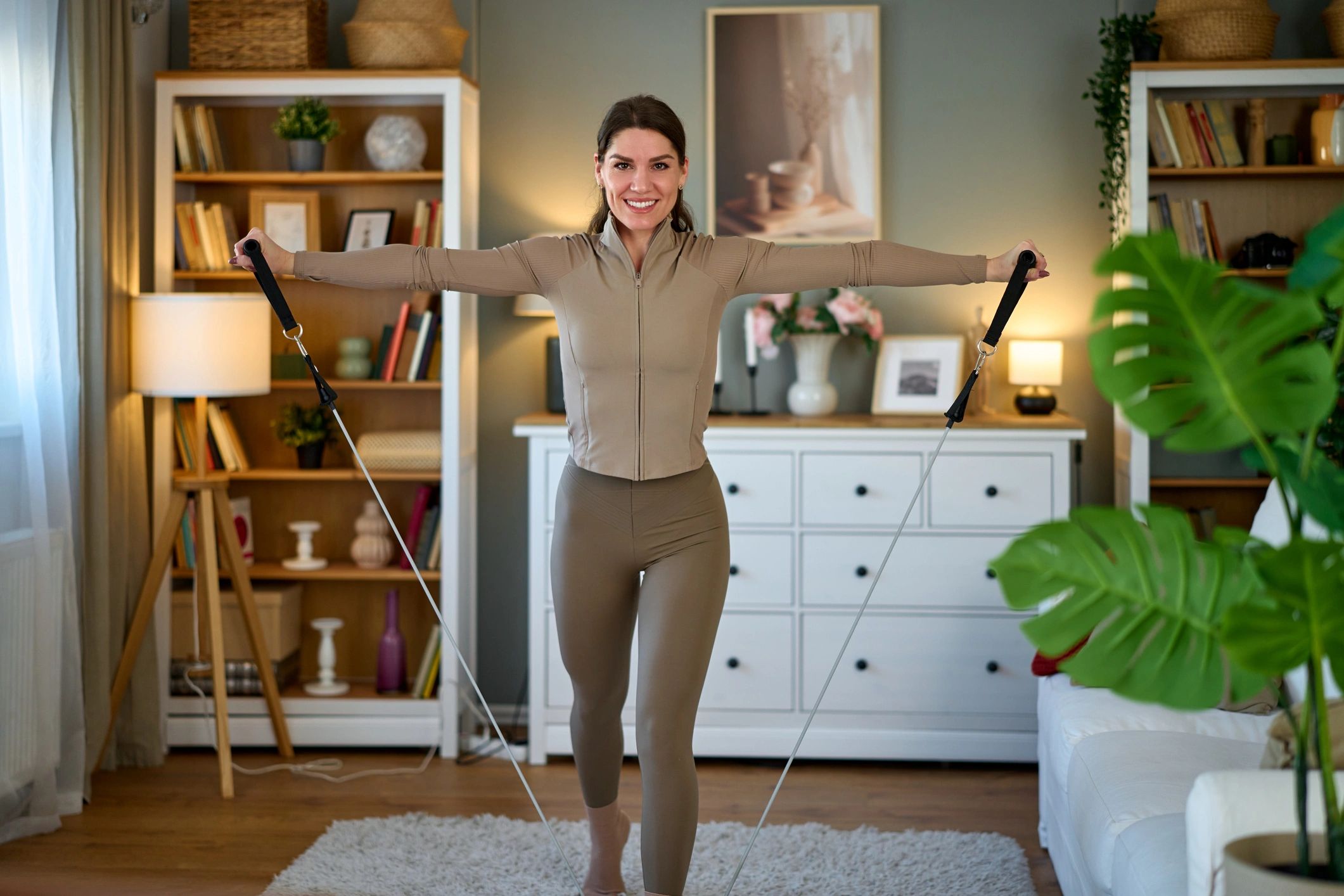
Beginners usually do best with a reformer that feels stable, easy to adjust, and not overly intimidating. Clear spring systems, comfortable padding, and straightforward setup beat advanced accessories every time. AeroPilates often enters the conversation here because it is widely recognized and approachable for home users, while PersonalHour may appeal to shoppers looking for a home-focused machine with a little more ambition.
For small spaces
If your reformer needs to share space with a guest room, office, or living area, storage becomes a major buying factor. Folding frames, lighter builds, and transport wheels matter more than studio styling. Compact home users often compare AeroPilates and PersonalHour first, while shoppers with more room may still choose a larger machine from Merrithew, Balanced Body, or Peak Pilates if long-term performance is the priority.
For long-term value
Long-term value is about more than the sticker price. It includes durability, serviceability, replacement parts, resale appeal, and whether the machine can keep up as your practice evolves. Balanced Body, Merrithew, and Peak Pilates are often discussed in this category because of their reputation in the broader Pilates market, while PersonalHour and AeroPilates may offer better entry pricing for home users who want to start sooner and spend less.
Smart shopping
Match the Reformer to Your Life
A smart purchase starts with lifestyle fit. Your room, routine, body, and budget should decide first. Brand comes after that.
Starter setup
Best for first-time buyers who want a machine that feels approachable, comfortable, and realistic for home use. In this category, AeroPilates is often a familiar name, while PersonalHour can be attractive for shoppers who want a more elevated home setup without jumping straight to premium studio pricing.
Home-first setup
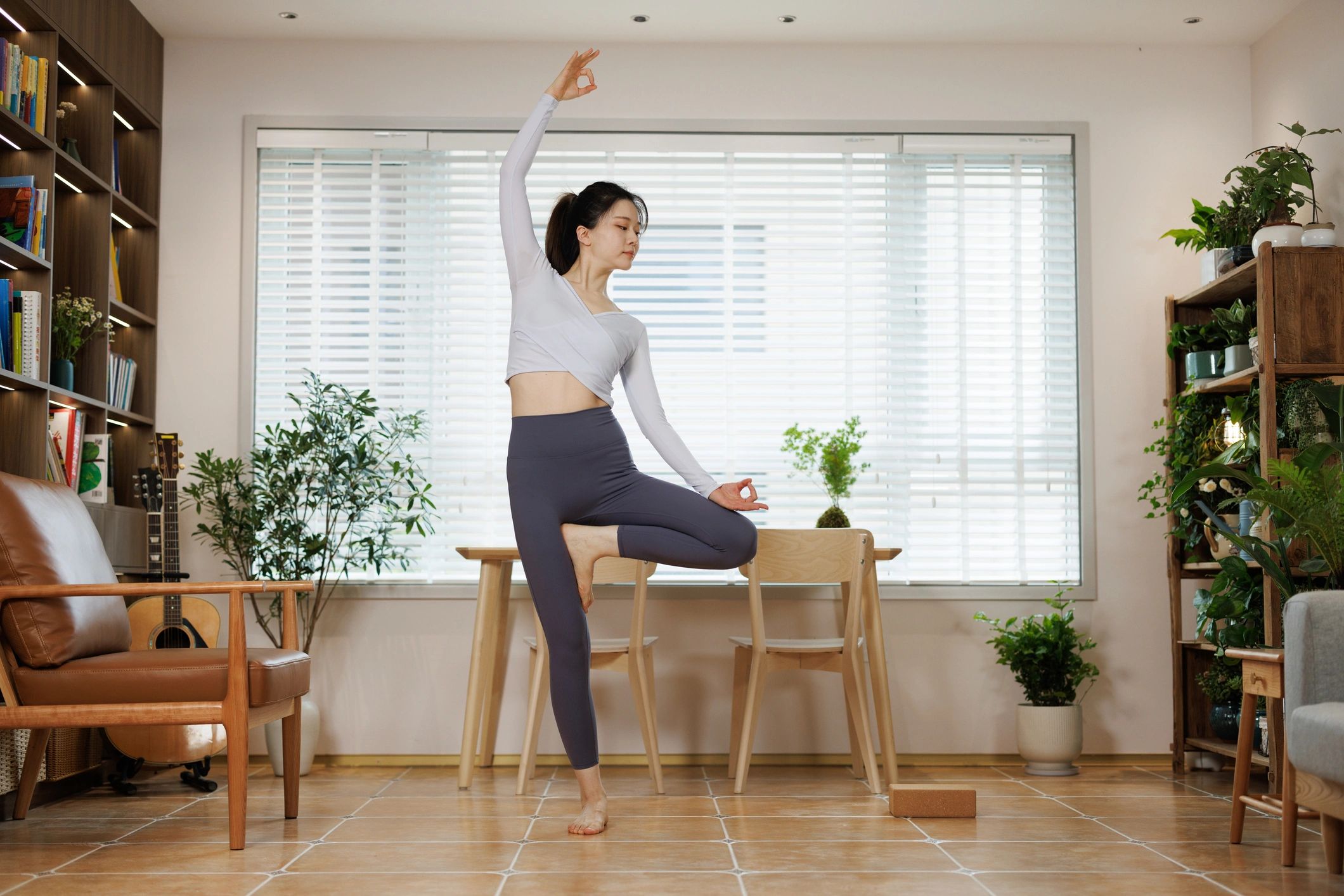
Ideal for apartments, shared rooms, and real-life homes where every square foot matters. Folding options, transport wheels, and lighter frames are often more valuable here than studio prestige. AeroPilates and PersonalHour usually enter this conversation early, though some buyers still stretch toward Merrithew or Balanced Body if they want a longer-term investment.
Enthusiast setup
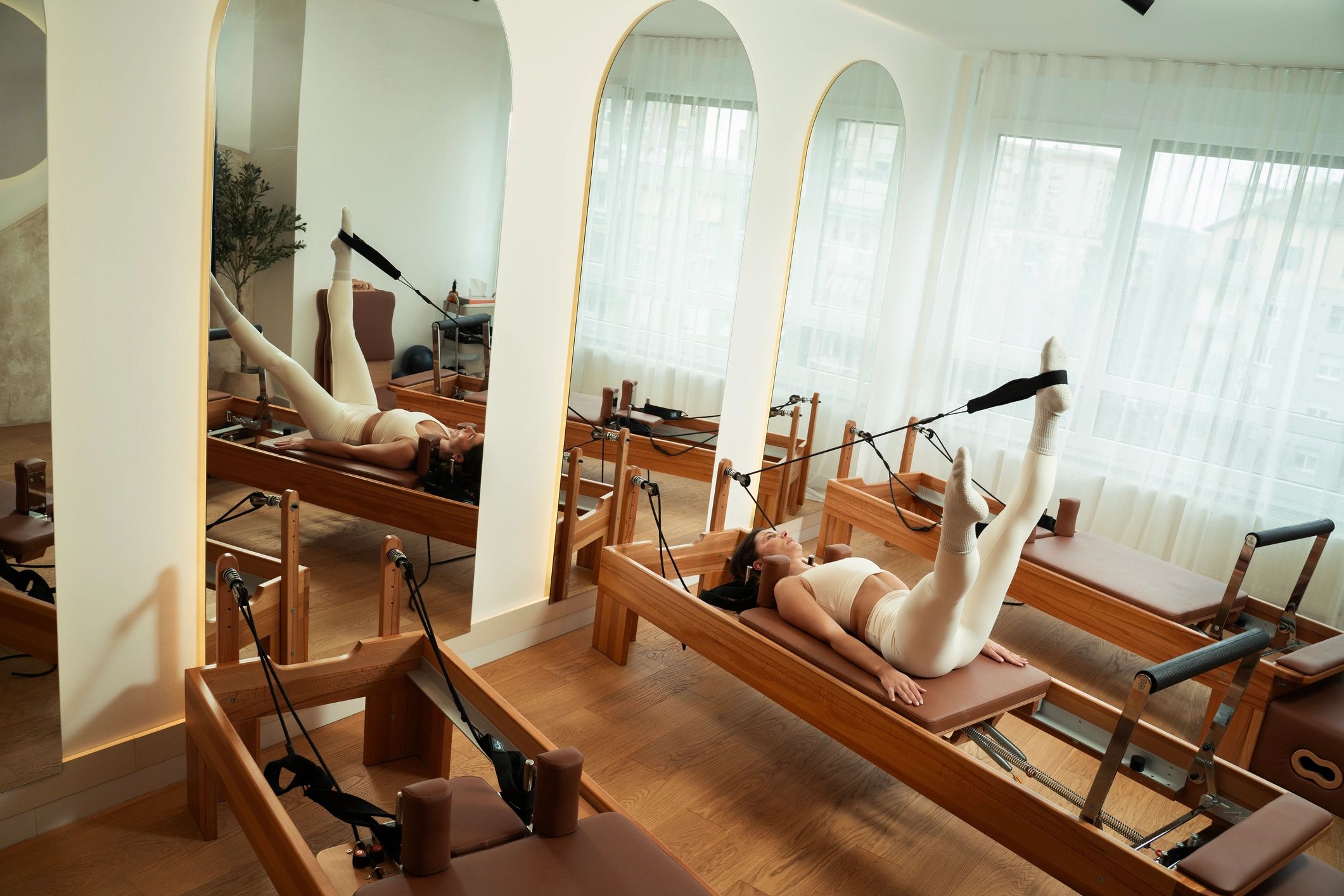
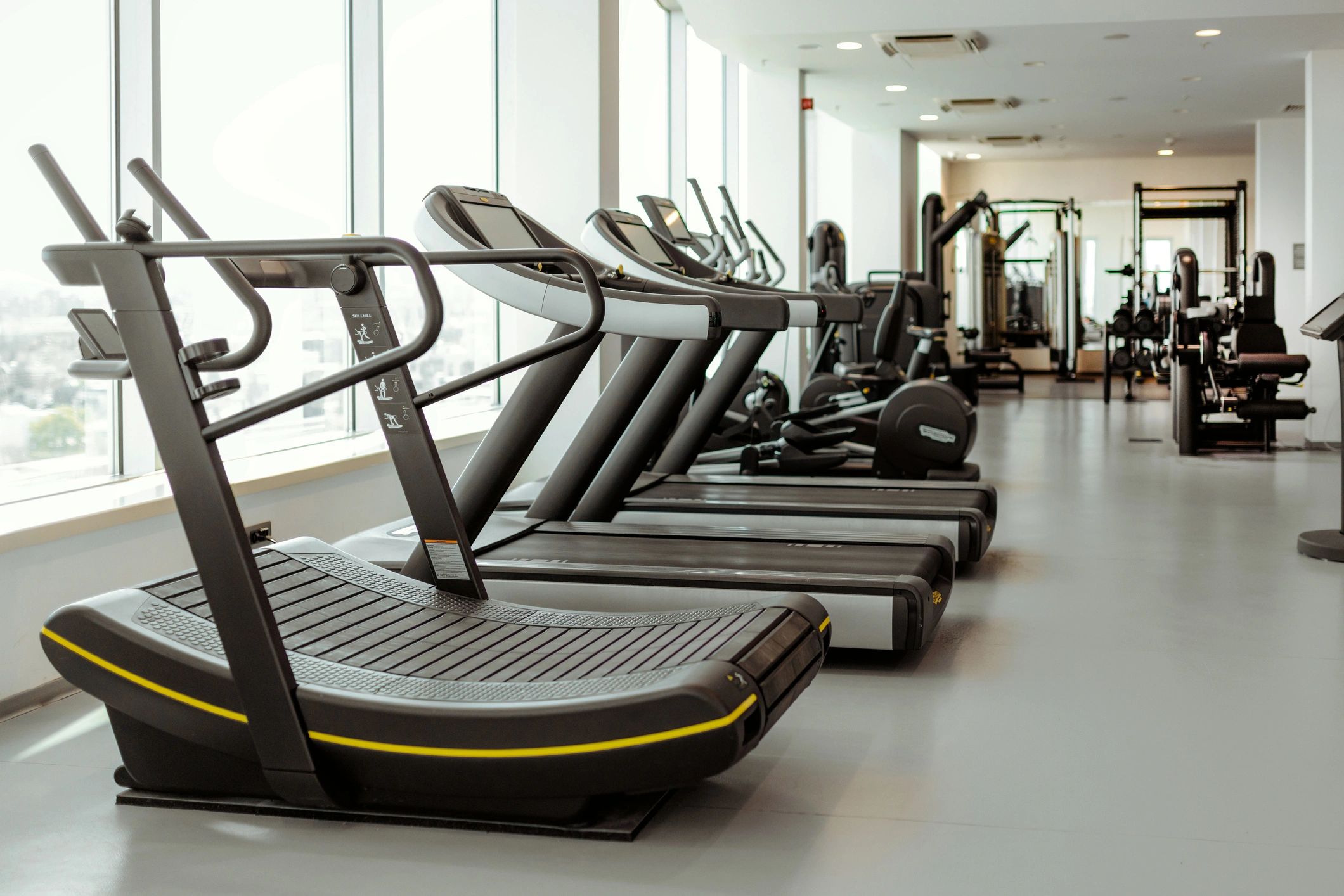
A better fit for committed users who care about smoother carriage travel, stronger construction, better adjustability, and a machine that can support years of practice. Balanced Body, Merrithew, and Peak Pilates are the names many shoppers explore here because they are often associated with more premium, studio-adjacent expectations.
What to Check Before You Buy
- Footprint: Measure the machine and the workout clearance around it, not just the product dimensions.
- Storage: If you need to fold or roll it away, confirm how easy that process really is.
- Resistance feel: Smooth carriage travel and well-balanced springs matter more than flashy extras.
- Comfort: Padding, shoulder rests, and footbar positions can make a huge difference over time.
- Support: Check warranty terms, replacement parts, and how easy it is to get help after purchase.
A good buying decision starts with your space, your body, your budget, and your actual routine. That sounds less glamorous than shopping by aesthetics, but it usually leads to a much happier purchase.
Expert advice
Avoid the Most Common Buying Mistakes
The most common reformer mistakes are surprisingly predictable. People buy too big for their room, too advanced for their current needs, too cheap for the amount of use they want, or too expensive for features they will never touch. The smartest buyers stay honest about how they live. If you want a machine for two or three home sessions a week, your needs may be very different from someone building a dedicated Pilates room. That is why the market has room for premium names like Balanced Body, Merrithew, and Peak Pilates, as well as more home-accessible options like PersonalHour and AeroPilates.
Don’t skip measurements
Measure floor space, clearance, doorways, storage paths, and ceiling height before you order. A reformer that arrives but does not work in your room is a very expensive lesson.
Don’t chase features
Accessories can be fun, but frame stability, carriage feel, comfort, and ease of use usually matter far more than bonus add-ons.
Don’t ignore brand fit
A premium studio-style brand is not automatically the best choice for a casual home user, and a budget-friendly home model is not automatically wrong if it matches your goals.
How to Think About Price
Price is one of the trickiest parts of reformer shopping because it is easy to compare numbers without comparing experience. A lower-priced reformer may be exactly right for someone who wants a few home sessions each week, needs compact storage, and is still figuring out whether reformer Pilates will become a long-term habit. A higher-priced reformer may make sense for someone who already knows they love the method, wants a smoother ride, expects heavier use, or cares deeply about premium construction and long-term durability. The mistake is assuming that cheaper is always smarter or that expensive is always better. The smarter question is whether the machine delivers the right level of performance for your actual life.
Budget-friendly buyers often start by looking at AeroPilates because the brand is well known in the home market and tends to feel more approachable. PersonalHour can also appeal to value-conscious shoppers who want a machine that feels more substantial than the most entry-level options while still aiming for home practicality. On the higher end, Balanced Body, Merrithew, and Peak Pilates are often associated with more premium expectations, stronger brand recognition in serious Pilates circles, and a greater emphasis on long-term ownership. That does not mean every buyer should stretch for those brands. It means you should understand what you are paying for: better materials, smoother mechanics, more refined adjustability, stronger support ecosystems, or simply a more polished overall experience.
Another useful way to think about price is cost per use. If you buy a reformer that you genuinely enjoy and use three or four times a week for years, even a more expensive purchase can start to feel reasonable. If you buy a machine because it looked like a bargain but it is awkward to store, uncomfortable to use, or frustrating to adjust, it can become expensive very quickly because it ends up collecting dust. The best value is rarely the lowest number on the page. It is the machine that fits your routine well enough to become part of your life.
Questions to ask before paying more
- Will I use this reformer often enough to justify a premium build?
- Do I care about smoother carriage travel and more refined adjustments?
- Do I need a machine that can support long-term progression?
- Is resale value important to me?
- Will multiple people in my home use it?
- Do I want a machine that feels closer to a studio experience?
Top 5 Reformer Brands to Know
If you are researching the market, five names come up again and again: Balanced Body, Merrithew, PersonalHour, Peak Pilates, and AeroPilates. They do not all serve the same buyer, and that is exactly why it helps to understand them side by side.
Balanced Body
Balanced Body is one of the most recognized names in the Pilates world and is often associated with a premium, professional feel. Buyers who are drawn to Balanced Body are usually looking for strong construction, refined performance, and a machine that feels like a serious long-term investment. For home users, the appeal is often emotional as well as practical. There is a confidence that comes from buying a brand with broad recognition and a strong reputation. The tradeoff, of course, is that this level of brand prestige and build quality can come with a higher price. Balanced Body tends to make the most sense for committed users who want a machine that feels polished, stable, and capable of supporting a more advanced practice over time.
Merrithew
Merrithew is another major player that often appeals to buyers looking for a premium reformer with a strong reputation. The brand is commonly associated with quality engineering, a professional presentation, and a more elevated Pilates experience. Home users who choose Merrithew are often looking for a machine that bridges the gap between home convenience and studio credibility. If you want something that feels substantial and thoughtfully designed, Merrithew is usually part of the conversation. It may not be the most budget-friendly route, but for buyers who value brand trust, performance, and a more serious ownership experience, it can be a compelling option.
PersonalHour
PersonalHour is interesting because it can appeal to shoppers who want a home-friendly reformer without automatically defaulting to the most basic end of the market. It often enters the conversation for buyers who want something stylish, practical, and more attainable than premium studio-oriented brands. For some users, that makes it a sweet spot brand: more aspirational than entry-level, but still rooted in the realities of home use. If you are shopping for a reformer that fits a modern home and you want a machine that feels like a meaningful upgrade from a very basic setup, PersonalHour may be worth a close look. It is especially relevant for buyers who care about balancing budget, design, and everyday usability.
Peak Pilates
Peak Pilates is another brand that often attracts serious shoppers who want a more premium or studio-adjacent experience. It tends to appeal to buyers who already know they are committed to reformer work and want a machine that feels robust and capable. Peak Pilates may not be the first stop for every casual beginner, but it is often on the shortlist for enthusiasts who care about performance, craftsmanship, and a more established Pilates pedigree. If your goal is to invest in a reformer that feels substantial and future-proof, Peak Pilates is one of the names worth understanding.
AeroPilates
AeroPilates is one of the most familiar names in the home reformer market and often serves as the entry point for buyers who want to start at home without jumping straight into premium pricing. The brand is widely associated with accessibility, home practicality, and beginner-friendly appeal. For many people, that is exactly what makes it attractive. If you are new to reformer Pilates, working with a tighter budget, or trying to make a machine fit into a smaller space, AeroPilates often feels less intimidating than the premium end of the market. It may not deliver the same level of prestige or studio feel as some higher-end brands, but it can be a very sensible starting point for the right buyer.
How to Choose Between the Top Brands
Choosing between the top brands is less about crowning one universal winner and more about matching the brand to your priorities. If you want a premium feel, broad reputation, and a machine that signals long-term commitment, Balanced Body, Merrithew, and Peak Pilates are often the brands people explore first. If you want a more home-centered buying path, a friendlier entry price, or a machine that feels more realistic for everyday domestic life, PersonalHour and AeroPilates may be more relevant. That does not mean one group is “good” and the other is “less good.” It means they often solve different problems for different buyers.
Think about your own priorities in plain language. Do you want the smoothest, most premium-feeling experience you can reasonably afford? Do you want something that folds away and does not dominate your room? Do you want a machine that feels beginner-friendly now but still leaves room to grow? Do you care about brand prestige, or do you mostly care about getting started? When you answer those questions honestly, the shortlist usually gets much smaller.
A simple way to narrow it down
- Choose Balanced Body if you want premium reputation, polished performance, and a serious long-term investment feel.
- Choose Merrithew if you want a strong premium brand with a professional, elevated identity.
- Choose Peak Pilates if you want a robust, enthusiast-friendly option with a more established Pilates pedigree.
- Choose PersonalHour if you want a home-friendly machine that feels more aspirational than basic entry-level options.
- Choose AeroPilates if you want an approachable, familiar starting point for home use and budget-conscious buying.
A Practical Buyer Checklist
- Measure your room and workout clearance.
- Decide whether the reformer must fold, roll, or store upright.
- Set a budget range before you start comparing premium brands.
- Think about who will use the machine and how often.
- Prioritize frame stability and carriage feel over flashy extras.
- Check comfort details like padding, shoulder rests, and footbar positions.
- Read warranty and support information carefully.
- Compare the top five brands based on your lifestyle, not just reputation.
- Be realistic about whether you want a starter machine or a long-term investment.
- Choose the reformer that makes regular practice easier, not more complicated.
If you follow this checklist, you will already be shopping more intelligently than most people. Reformer buying gets overwhelming when every option starts to blur together. It gets easier when you keep returning to the basics: space, comfort, resistance, quality, support, and realistic use.