Top 5 Reformers for Studio
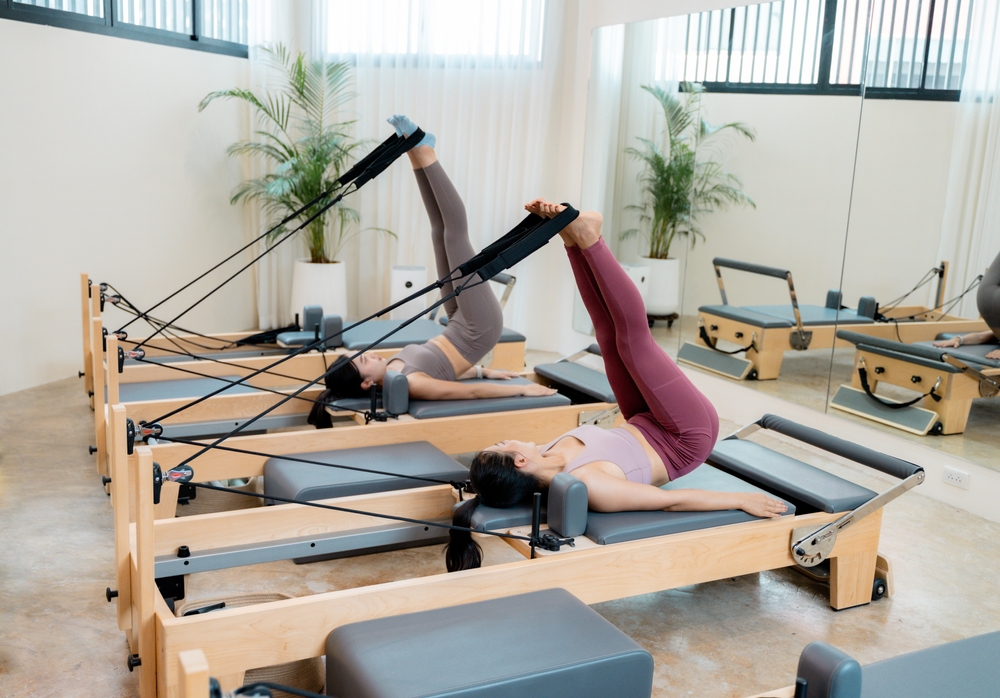
Shopping for a studio reformer is a little like hiring a star instructor: you want something reliable, smooth, adaptable, and ready to perform all day without getting dramatic. A studio reformer has a bigger job than a home model. It needs to support different body types, teaching styles, class formats, and daily wear while still feeling great under the carriage. That is a lot to ask from one machine, but the right pick can make your studio run more smoothly and leave a better impression on both instructors and clients.
Whether you are opening a boutique Pilates studio, upgrading an established space, or replacing older equipment that has seen one too many heroic years, this guide will help you think through the options. We are looking at five standout reformers for studio use in a friendly, practical way. Instead of pretending there is one perfect machine for every business, we are focusing on what each option may do well, what kind of studio it may suit, and how to think about the decision with fewer headaches and fewer expensive mistakes.
Why studio reformers are different
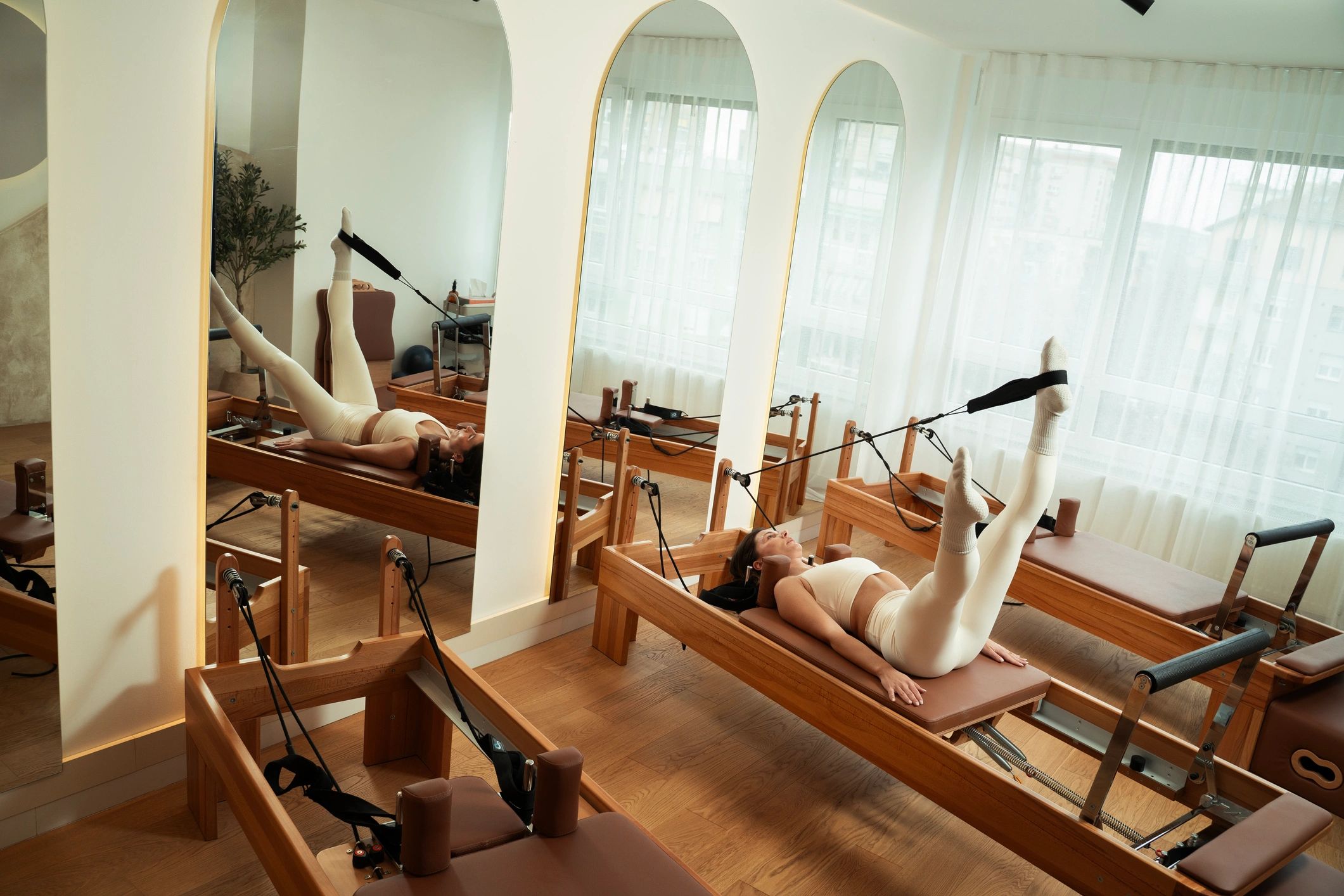
A studio reformer is not just a home reformer with a fancier price tag. In a professional setting, equipment gets used by more people, more often, and in more varied ways. One day it may support a beginner who is still figuring out footbar positions. The next hour it may be used by an experienced client who wants a more athletic session. Then it may host a private lesson, a group class, or a teacher training environment. That means durability, adjustability, and ease of use matter a lot.
Studios also have to think beyond the machine itself. How quickly can instructors make changes between clients. How intuitive is the setup for a mixed-level class. Does the reformer fit the visual identity of the studio. Can it support accessories and programming variety. Will it still feel like a smart investment after years of regular use. Those questions matter just as much as the first impression.
What makes a great studio reformer
- Durability: It should handle frequent daily use without feeling worn out after a short time.
- Smooth carriage ride: Clients notice this immediately, and instructors do too.
- Adjustability: Helpful for mixed ability classes, private sessions, and varied programming.
- Accessory compatibility: Jumpboards, boxes, towers, and other add-ons can expand value.
- Instructor-friendly setup: Fast transitions matter in a busy studio schedule.
- Brand fit: The right reformer should support your studio identity, not fight against it.
With that in mind, here are five reformers worth considering for studio use.
1. Nano Elite Plus
The Nano Elite Plus stands out as a polished studio option for owners and instructors who want a premium feel with modern versatility. It has the kind of presence that works well in a boutique environment where presentation matters, but it also brings the kind of stable, refined ride that makes daily teaching feel more controlled and more professional. If your studio wants equipment that looks sharp without sacrificing function, this model deserves a serious look.
One of the biggest strengths of the Nano Elite Plus is that it feels current. Some reformers lean heavily into tradition, which can be a plus in the right setting, but others feel more aligned with a sleek, modern studio brand. This one fits especially well in spaces that want clients to walk in and immediately feel that the environment is elevated, organized, and thoughtfully designed. That may sound superficial, but in a boutique fitness business, visual confidence is part of the client experience.
Best for: Studios that want a sleek, premium reformer with a professional feel and broad class appeal.
- Strong visual appeal for upscale studio spaces
- Smooth ride that supports controlled movement work
- Good fit for instructors teaching a wide range of clients
- Appealing option for studios that care about both performance and presentation
If your business model includes private sessions, semi-private training, or small-group classes where clients notice details, the Nano Elite Plus may feel especially attractive. It gives off a polished, premium impression while still being practical enough for real studio use. For owners who want a reformer that feels like part of the brand experience, not just a piece of equipment, that is a meaningful advantage.
2. Nano Pro Max
If the Nano Elite Plus is polished, the Nano Pro Max feels like the overachiever sibling who color-codes everything and still gets to class early. This reformer is a strong contender for studios that want a robust, high-performance machine with a more advanced feel. It is especially appealing for spaces focused on progressive programming, athletic clients, or instructors who like having a little extra confidence in the equipment under heavy use.
The Nano Pro Max feels like it belongs in a studio that moves fast and expects a lot from its gear. If you have back-to-back sessions, a busy weekly schedule, or a client base that ranges from cautious beginners to strong regulars, a machine in this category can help support that variety. The appeal here is not just that it looks capable. It is that it feels ready for demanding use and flexible instruction.
For some studio owners, this type of reformer may be particularly attractive because it supports growth. Maybe you are launching with a smaller class schedule now, but you want equipment that can keep up as demand increases. Maybe your instructors like more programming range and do not want to feel limited by the machine. In those cases, the Nano Pro Max can make a lot of sense as a future-friendly investment.
- Designed for demanding studio use
- Feels capable and performance-oriented
- A smart pick for advanced instruction environments
- Useful for studios that want equipment ready for growth and heavy rotation
If your studio brand leans energetic, modern, and performance-minded, the Nano Pro Max may align especially well. It has the kind of presence that suggests confidence and readiness, which can be a great match for studios serving committed clients who want more than a gentle introduction to movement.
3. Allegro
The Allegro line is one of the most recognizable names in studio Pilates for a reason. It is widely appreciated for its practical design, dependable performance, and familiarity across teaching environments. If you want a reformer that many instructors already know how to use, the Allegro is an easy shortlist candidate. Familiarity may not sound glamorous, but in a working studio it can be incredibly valuable.
One of the biggest advantages of a well-known studio reformer is reduced friction. Instructors often feel more comfortable stepping into a space when the equipment is already familiar. That can make onboarding easier, teacher substitutions smoother, and programming more consistent across staff. For studio owners, that kind of operational simplicity matters. It saves time, lowers stress, and can help create a more seamless client experience.
The Allegro also tends to work well in studios that need equipment capable of supporting classes, private sessions, and a variety of bodies without a lot of fuss. It has a reputation for being practical and dependable, which is exactly what many businesses need. Not every reformer has to be flashy. Sometimes the best machine is the one that shows up, does the job well, and keeps the teaching day moving.
- Well-known and widely used in studio settings
- Practical for mixed programming
- Great for owners who value familiarity and consistency
- Helpful when multiple instructors need a shared equipment language
If your studio values trusted industry presence and wants equipment that feels easy to integrate into a professional teaching environment, the Allegro remains a strong and sensible choice. It is the dependable team player of the group, and there is a lot to be said for that.
4. Merrithew Reformer
Merrithew is a respected name in professional Pilates equipment, and its studio reformers are often associated with clean engineering, professional training environments, and a strong education ecosystem. For studio owners who care about brand reputation, instructor education, and a polished professional standard, Merrithew remains a compelling option.
This is the kind of reformer that often appeals to studios wanting a balanced mix of performance, credibility, and long-term usability. It is not just about the machine itself. It is also about the broader training culture around it. If your instructors already know the brand or your studio values a more formal, education-driven atmosphere, Merrithew may feel like a natural fit.
There is also something reassuring about choosing a brand with strong recognition in professional Pilates spaces. Clients may not know every technical detail, but they do notice when a studio feels established and thoughtfully equipped. Merrithew often supports that impression well. It can be especially appealing for studios that want to position themselves as polished, credible, and serious about instruction.
- Strong reputation in professional Pilates spaces
- Appealing for education-driven studios
- Solid choice for a polished, established brand presence
- Useful for owners who value a broader professional ecosystem around the equipment
If your studio serves clients who appreciate a refined environment and your instructors value consistency, Merrithew can be a very strong contender. It is the kind of option that often feels safe in the best possible way: professional, respected, and built to support serious work.
5. Balanced Body Studio Option
No studio roundup feels complete without a Balanced Body option in the conversation. Balanced Body has long been associated with studio Pilates and remains a go-to brand for many instructors and facilities. Its appeal comes from a combination of legacy, broad adoption, and equipment designed with real teaching environments in mind.
If your studio values trusted industry presence and equipment that fits naturally into professional instruction, Balanced Body deserves a close look. It is a classic choice that still feels highly relevant. Many studio owners appreciate that it sits at the intersection of familiarity, reputation, and practical use. When a brand has been part of the professional conversation for a long time, that history can make decision-making feel a little less risky.
Balanced Body equipment often appeals to studios that want a machine clients and instructors are likely to recognize. That can help with confidence, especially if you are building a team or attracting clients who have taken Pilates elsewhere. It is not the only factor that matters, of course, but it can support a smoother overall studio experience.
- Long-standing studio reputation
- Strong familiarity among many instructors
- Appealing for professional teaching environments
- Good fit for owners who want a trusted, established option
How to compare studio reformers
When you narrow your list, try not to focus only on the headline features. A studio purchase is about workflow as much as hardware. Think about how the reformer will function during a real teaching day. Can instructors make adjustments quickly. Does the machine feel intuitive for beginners. Will it support your preferred class style. Does it match the visual tone of your studio. Can it grow with your business if your schedule expands.
- Think about class volume: The more sessions you run, the more durability matters.
- Consider instructor familiarity: Equipment your team already knows can save time and reduce friction.
- Match the machine to your brand: Boutique luxury, athletic performance, and classical Pilates spaces may want different things.
- Plan for mixed clients: A good studio reformer should work well for beginners, regulars, and advanced movers.
- Review accessory needs: Add-ons and compatibility can affect long-term value.
- Think long term: The cheapest short-term option is not always the best business decision.
The best studio reformer is not just the fanciest one. It is the one that supports your teaching style, your client flow, and your business for the long haul.
Common buying mistakes to avoid
One common mistake is buying based only on looks. Yes, aesthetics matter, especially in a boutique fitness space, but a beautiful reformer that slows down transitions or frustrates instructors is not doing your business any favors. Another mistake is choosing a machine that suits only one type of client. Unless your studio has a very narrow niche, versatility usually matters.
It is also easy to underestimate how important instructor comfort is. If your team does not enjoy working with the equipment, that will show up in class flow and client experience. Finally, do not ignore the bigger picture. A reformer is part of your studio system, not a standalone trophy. Think about maintenance, accessories, training familiarity, and how the machine supports your actual schedule.
Final thoughts
The best studio reformer depends on your teaching style and business model, but the Nano Elite Plus, Nano Pro Max, Allegro, Merrithew, and Balanced Body all bring something valuable to the table. Some shine in premium presentation, some in versatility, and some in trusted studio legacy. The smartest move is to match the machine to your clients, instructors, and daily workflow rather than chasing a one-size-fits-all answer.
If you are still comparing options, that is normal. Studio equipment is a big decision, and it is worth taking the time to think through how each reformer supports your space, your staff, and your long-term goals. A thoughtful purchase now can make teaching easier, improve client experience, and help your studio feel more cohesive from day one.
Want more Pilates buying guides and brand comparisons? Explore our Reformer Buying Guide and Compare Brands pages for more friendly, no-fluff help.
FAQ
What makes a reformer good for studio use?
A strong studio reformer should offer durability, smooth carriage travel, easy adjustability, and a setup that supports different instructors and clients throughout a busy schedule.
Are studio reformers different from home reformers?
Yes. Studio reformers are usually built for heavier daily use, more varied programming, and a wider range of bodies and teaching styles.
Why do instructors care about brand familiarity?
Familiar equipment can make onboarding easier, reduce friction during substitutions, and help instructors teach more confidently and consistently.
Should a studio choose the most premium reformer available?
Not always. The best choice is the reformer that fits your class flow, client needs, instructor preferences, and long-term business goals.
What is a common mistake when buying studio reformers?
A common mistake is focusing only on looks or brand prestige without thinking about workflow, maintenance, and how the machine performs in real teaching conditions.