Author: pilatesblog

  • PersonalHour Janet Elite Plus vs. Balanced Body Metro IQ: Which Home Pilates Reformer Is Right for You?

    PersonalHour Janet Elite Plus vs. Balanced Body Metro IQ

    Choosing a home Pilates reformer often comes down to one central question: do you want the smallest, lightest machine possible, or do you want a more elevated, furniture-style reformer that brings the feel of a traditional studio into your home?

    The PersonalHour Janet Elite Plus and the Balanced Body Metro IQ both address the need for space-conscious home Pilates equipment, but they approach it very differently. This guide compares size, storage, springs, comfort, accessories, and overall value so you can choose the reformer that best fits your home, body, and routine.

    Quick Comparison

    • Primary design: Janet Elite Plus is a foldable maple-wood home reformer, while Metro IQ uses a telescoping metal frame.
    • Open dimensions: Janet Elite Plus is 92 × 24 inches; Metro IQ is 96 × 23 × 9 inches.
    • Stored length: Janet Elite Plus folds to about 48 inches; Metro IQ compresses to about 61.5 to 62 inches.
    • Carriage length: Janet Elite Plus has a 37-inch carriage; Metro IQ has a 30.5-inch carriage.
    • Working height: Janet Elite Plus sits about 11 to 13 inches high with adjustable legs; Metro IQ is about 9 inches high and legs cannot be added.
    • Springs: Janet Elite Plus includes 6 springs; Metro IQ includes 5 springs.
    • Accessories: Janet Elite Plus includes a jumpboard, sitting box, padded foot cushion, foot strap, loops, and ropes; Metro IQ includes ropes and loops, while some accessories are optional.

    Design and Feel

    The Janet Elite Plus uses a solid maple frame that gives it a warm, studio-inspired look. It is a better fit for buyers who want their reformer to feel like part of the room rather than a piece of industrial equipment. It also comes in multiple upholstery and color options.

    The Metro IQ has a compact metal-frame design with black upholstery. It was built for home use with a practical telescoping system that extends for workouts and shortens for storage. If you care more about portability and a lower-profile machine, the Metro IQ has a strong appeal.

    Choose the Janet Elite Plus for a premium wooden reformer feel. Choose the Metro IQ for a lighter, more compact telescoping design.

    Storage Differences

    Both reformers are designed for smaller spaces, but they save space in different ways. The Janet Elite Plus folds down to about 48 × 24 inches, making it a good option for multipurpose rooms where you want a shorter stored footprint.

    The Metro IQ does not fold. Instead, its frame telescopes from about 96 inches in use to roughly 62 inches for storage. Buyers can choose wheel options for upright storage or under-bed storage, though under-bed use requires around 9 inches of clearance.

    The Metro IQ is also lighter at 85 pounds, which may make it easier to move. Still, the real question is how you want to store it day to day: folded, rolled, stood upright, or slid under a bed.

    Height, Comfort, and Accessibility

    Height matters more than many shoppers expect. A higher reformer can feel easier to get on and off, especially for older adults, taller users, or anyone with joint sensitivity. The Janet Elite Plus offers a working height of about 11 to 13 inches and a longer 37-inch carriage with upgraded cushioning.

    The Metro IQ sits lower at about 9 inches to the top of the carriage, and Balanced Body states that legs cannot be added. Its 30.5-inch carriage uses the same hybrid padded foam described for the Studio Reformer, so comfort is still part of the design, just in a lower-profile format.

    If you want more elevation and a roomier carriage, the Janet Elite Plus may feel more comfortable. If you are fine working closer to the floor and prefer a compact machine, the Metro IQ may be enough.

    Springs and Resistance

    The Janet Elite Plus includes 6 springs, giving users a broad range of resistance combinations for footwork, upper-body work, mobility, and strength-focused sequences.

    The Metro IQ includes 5 Balanced Body Signature Springs: 3 red medium springs, 1 blue light spring, and 1 yellow very-light spring. Balanced Body says this setup provides up to 46 resistance combinations. Its SoftTouch rope system also creates a quieter and softer connection at the loops.

    Keep in mind that spring colors are not standardized across brands, so a red spring on one reformer may not feel the same as a red spring on another.

    Accessories and Value

    The Janet Elite Plus comes with a more complete package out of the box. It currently includes a jumpboard, Pilates sitting box, padded foot cushion, foot strap, double-loop handles, ropes, 6 springs, and lifetime access to the PersonalHour App with on-demand content and AI-powered coaching features.

    The Metro IQ includes ropes, cotton single loops, springs, footbar, headrest, shoulder rests, and an integrated standing platform. Balanced Body lists the sitting box, padded jumpboard, and padded footstrap as optional upgrades.

    If you are comparing price, look beyond the base reformer. Add in accessories, shipping, warranty coverage, and any training subscriptions you expect to use.

    Tower Compatibility

    Balanced Body states that a tower cannot be added to the Metro IQ, and legs cannot be added either. PersonalHour offers the Janet Elite Plus in an on-demand tower configuration, so buyers interested in tower work should confirm compatibility and lead times before ordering.

    Which One Is Better for Small Spaces?

    • Choose the Janet Elite Plus if you: want the shorter stored length, prefer a foldable frame, have a corner or closet area for storage, and like the look of premium wooden equipment.
    • Choose the Metro IQ if you: want an 85-pound reformer, have enough under-bed clearance, prefer upright storage, or like a telescoping frame design.

    Which One Is Better for Joint Concerns?

    For users with arthritis, knee sensitivity, hip limitations, or balance concerns, the Janet Elite Plus may feel easier to use because it sits higher and offers a longer, more cushioned carriage. That said, no reformer is a medical solution, and anyone managing pain or recovery should work with a qualified healthcare professional and a trained Pilates instructor.

    Final Verdict

    The Balanced Body Metro IQ stands out for its lighter 85-pound build, telescoping frame, storage wheel options, adjustable footbar, seamless track, and familiar five-spring system. It is a smart choice for buyers who want a low-profile home reformer and do not need a tower or elevated legs.

    The PersonalHour Janet Elite Plus is the stronger fit for shoppers who want a more complete, studio-inspired setup at home. Its maple-wood frame, higher working height, longer carriage, upgraded cushioning, six springs, included accessories, and lifetime app access make it feel like a fuller package from the start.

    • Choose the Metro IQ for lower weight, telescoping storage, and the Balanced Body spring-and-rope experience.
    • Choose the Janet Elite Plus for more elevation, a larger cushioned carriage, included accessories, and a premium wooden-reformer feel.

    Frequently Asked Questions

    Is the Janet Elite Plus smaller than the Metro IQ?

    When open, the Janet Elite Plus is slightly shorter and slightly wider. When stored, it folds to about 48 inches long, while the Metro IQ compresses to about 61.5 to 62 inches.

    Which reformer is lighter?

    Balanced Body publishes a weight of 85 pounds for the Metro IQ. Buyers should confirm the current Janet Elite Plus weight directly with PersonalHour.

    Which reformer includes more springs?

    The Janet Elite Plus includes 6 springs, while the Metro IQ includes 5 Balanced Body Signature Springs.

    Does either reformer include a sitting box and jumpboard?

    The Janet Elite Plus includes both. Balanced Body lists these as optional accessories for the Metro IQ.

    Can a tower be added?

    Balanced Body states that a tower cannot be added to the Metro IQ. PersonalHour offers an on-demand tower configuration for the Janet Elite Plus, but buyers should confirm the exact setup before ordering.

    Which reformer is better for taller users?

    Fit depends on more than frame length. Carriage travel, shoulder-rest position, rope range, footbar placement, torso length, and leg length all matter. Taller buyers should share their height and inseam with the manufacturer and, if possible, test the reformer before purchasing.

    Editorial note: Product information was checked against the official PersonalHour Janet Elite Plus and Balanced Body Metro IQ product pages on August 31, 2026. Prices, configurations, accessories, lead times, and warranty terms may change.

  • Best Online Pilates Community Platforms for 2026

    What to look for in a Pilates community platform

    Anyone searching for a Pilates community is really choosing between four different things: discussion forums, on-demand workout apps, class-booking marketplaces, and private member groups hosted on social networks. They all get described as “community,” but they solve different problems. A booking marketplace such as ClassPass or Mindbody is built to fill studio spots near you. A subreddit or Facebook group is built for conversation. An app with a member feed is built to keep you practicing between sessions — the PersonalHour Community App is an example built specifically around reformer owners and at-home practice. Knowing which job you’re hiring the platform to do prevents most of the disappointment.

    The needs behind the search tend to be consistent: belonging, accountability, a way to find local reformer or mat classes, and connection on the days you practice alone at home. Those map to five criteria used throughout this comparison — community features, privacy and data controls, local class discovery, support options for beginners and rehab-minded members, and fit for specific user types such as reformer owners, instructors, and prenatal or older practitioners.

    If you want to test the practice side before weighing platforms at all, the free online Pilates exercises library is a no-account starting point.

    A side-by-side look at community features, privacy, local discovery, and support

    No single option wins every category, so the practical move is to match the platform type to what you actually need: conversation, class booking, guided practice, or a closed group. The matrix below compares six common choices on criteria you can check yourself before creating an account.

    CriterionPersonalHourPilates AnytimeMindbodyClassPassReddit (r/pilates)Facebook Groups
    Built primarily forReformer owners and at-home practice, with the PersonalHour App and free video sessionsOn-demand class library from studio instructorsStudio scheduling and booking marketplaceMulti-studio class passes and drop-in bookingOpen, pseudonymous discussionMember-run interest groups
    Community interactionGuided practice plus member support around equipment useInstructor-led library with member feedback featuresBooking and reviews rather than ongoing discussionBooking and reviews rather than ongoing discussionStrongest — high-volume threads, form questions, injury talkStrong for niche, moderated conversation
    Local class discoveryNot its focus — practice happens at homeNot its focus — video-firstStrongest — searchable studio schedules by locationStrong for trying multiple nearby studiosCrowd-sourced studio recommendations by cityLocal groups often post studio schedules
    Privacy controls to checkAccount needed for app access; review what profile data is storedSubscription account with viewing historyBooking account holds payment and attendance dataBooking account holds payment and attendance dataStrongest for anonymity — pseudonymous handles, no real name requiredPosts tied to a real-name profile; private groups hide content from non-members
    Private or semi-private groupsCoaching-style support tied to your equipment and routineMembership-gated contentStudio-level client listsNot a group formatPublic by default; some restricted subredditsStrongest — private and invite-only settings
    Verify before joiningFree sample sessions available without buying equipmentTrial period termsCancellation and no-show feesCredit rollover and cancellation rulesSubreddit rules and moderation activityGroup rules, member count, admin activity

    Read that matrix as four different jobs. If you want people to answer a question about scapular position at 9 p.m., a forum wins. If you want a reformer class two miles away on Thursday, a booking marketplace wins — and that is worth saying plainly: Mindbody and ClassPass are marketplaces, not community spaces, and shouldn’t be judged as though they were.

    Its tradeoff is equally plain: it won’t book you into a studio down the street.

    On data, verify three things on any Pilates community platform before posting: what your profile shows publicly, whether posts are indexed by search engines, and how to delete the account.

    Pros, cons, and best fit for each platform type

    Studio booking apps. These are built around finding and reserving real classes near you, so they win on local discovery — no online tool replaces walking into a nearby reformer studio and meeting the people in it. The tradeoff is that conversation usually stops when the session ends; membership is transactional, and your “community” is whoever booked the same time slot. Best for: practitioners who want in-person instruction and a local network first, digital connection second.

    Public forums and social groups. Open discussion spaces such as Reddit’s Pilates community or large Facebook groups win on discussion depth and sheer volume of opinion — you can ask about scoliosis modifications or a used reformer’s springs and get answers within hours. The costs are uneven moderation, advice from anonymous accounts of unknown training, and privacy: posts and profiles are typically visible far beyond the group. Best for: research, product cross-checking, and anyone comfortable filtering unverified input.

    On-demand class libraries. Subscription video platforms win on programming consistency — structured progressions, new releases, and instructors you can follow over months. Interaction, though, is often one-way; comment threads and challenge boards rarely become a member support group. Best for: self-directed practitioners who value curriculum over conversation.

    Equipment-brand ecosystems. PersonalHour sits here: the equipment, the PersonalHour App, and a members’ space share one account, and there is a free online Pilates exercise library covering beginner movement, core control and stability, and home practice support, so you can evaluate the teaching style before committing. Practically, that also means guidance is closer to your actual setup — reformer owners get answers about their own machine. The honest tradeoff: a brand-linked network is smaller than an open social platform with millions of accounts, and it will not surface a class two blocks from your apartment.

    If neither depth nor locality alone is enough, most members end up pairing a Pilates community platform with one local booking tool.

    How to choose the right platform for local groups, virtual support, or private communities

    Start with the outcome you want, not the feature list. Four intents cover most Pilates community members, and each maps cleanly to a different platform type.

    You want to find a class near you this week. Booking marketplaces win here. Mindbody and ClassPass are built around studio schedules, geography, and reservations, so they answer “what’s within 15 minutes of me on Tuesday” better than any forum can. Confirm which local studios are actually listed before committing to a membership — coverage varies sharply by city.

    You want accountability and a routine you’ll keep. A workout library with progress tracking beats a discussion board. Look for structured programs, session history, and coaching feedback rather than post counts. PersonalHour’s app pairs on-demand Pilates sessions with reformer-specific guidance, which suits home users working on equipment rather than mat-only followers; if you don’t own a reformer, a mat-first library will feel less wasteful.

    You want ongoing conversation and troubleshooting. Forums and moderated social groups are the right shape — asking about footwork alignment or spring tension gets a faster answer from practitioners than from a video. Reddit’s Pilates communities and Facebook groups run on member volume, so activity is high but moderation and accuracy are uneven. Check the last 30 days of posts before you join.

    You want a small, private space. Choose a platform with closed or invite-only groups, member approval, and clear controls over what’s visible. Public communities reward people who like posting progress photos; private ones suit anyone who’d rather ask a beginner question without an audience.

    A quick test before signing up: can you see the community area, read the privacy policy, and identify who moderates — all without paying? If you can browse a platform’s free Pilates exercise library or sample content first, use it. Trial the format before the subscription.

    Privacy and data protection checks before you join

    Privacy belongs in the selection criteria, not in a post-signup panic. Before you create a profile on any Pilates community platform, read the privacy policy for three specific answers: what personal data is collected at signup, who it is shared with (payment processors, studio partners, advertising networks), and whether your activity — posts, class check-ins, progress logs — is visible to the open web or only to members.

    Then open account settings before you post anything and confirm four controls:

    • Profile visibility — can you set your profile to members-only, and is that the default?
    • Messaging — can you limit direct messages to people you follow or block them entirely?
    • Location — is precise location required for local class discovery, or will a ZIP code do? Discovery features are the most common reason a wellness app asks for continuous location access.
    • Notifications and email — separate transactional messages from marketing, and check whether opting out is one click or buried.

    Data handling differs by business model, and that difference is predictable. Booking-and-marketplace services such as Mindbody and ClassPass sit between you and a studio, so they process payment details, reservation history, and studio-side records by design; class-library and community products such as Pilates Anytime center on content and discussion. Neither model is inherently safer, but the booking route touches more third parties — verify each platform’s current policy yourself rather than assuming.

    Finally, check the exit. A trustworthy service documents how to delete your account, export your workout history, and revoke connected devices — and honors it without an email chain.

    FAQ: common questions about online Pilates communities

    What actually counts as a Pilates community platform? Three different things get grouped under that label: discussion spaces (Reddit’s r/pilates, Facebook Groups, Discord servers), practice apps with a social layer, and booking systems like Mindbody or ClassPass that connect you to studios. For open peer discussion, Reddit wins on volume and searchability. For structured practice plus member interaction, an app-based community wins.

    Do forums, apps, and booking tools serve different needs? Yes, and mixing them up is the usual mistake. Forums answer questions (“is my footwork alignment off?”). Apps deliver the actual class and progression. Booking platforms handle schedules and payments. Most practitioners end up using two.

    How do I find local Pilates groups virtually? Start with studio-finder search in a booking app, then cross-check the studio’s own Facebook or Instagram group, where local meetups and reformer sessions are usually posted. Facebook Groups is the clear winner for hyper-local, city-level Pilates organizing.

    How is member privacy handled? It varies sharply. Ask three questions before joining: is the group public, closed, or hidden; are workout and health metrics sold or shared with advertisers; and can you delete your account and data on request. Read the privacy policy rather than the marketing page — and treat any platform that won’t answer plainly as a no.

    Key takeaways for choosing a Pilates community platform

    Start from what you actually want out of membership, because each goal has a different winner. For sheer breadth of conversation and quick answers from strangers, general social networks like Facebook Groups and Reddit’s Pilates communities win on reach — no purpose-built app matches their volume. For finding studios and instructors near you, a booking-first marketplace with real schedules wins, since discussion boards rarely carry accurate class times. For structured practice you’ll actually repeat at home, a platform that pairs on-demand instruction with reformer-specific guidance wins, and that’s where PersonalHour’s app-plus-equipment ecosystem is aimed.

    The core tradeoff is reach versus control. Big social platforms give you more people; smaller, moderated spaces give you fewer voices but better signal, clearer rules, and less exposure of your health details. Before you post anything about injuries, pregnancy, or rehab, open the group’s settings and confirm whether membership, posts, and your profile are visible publicly — that check takes a minute and can’t be undone later.

    The best fit is simply the one you return to weekly. If you want a low-commitment starting point, try the free online Pilates exercises library before you commit to any paid community.

    Try PersonalHour’s free online Pilates exercises to get started.

  • Which Pilates reformer should I buy?

    Which Pilates reformer should I buy?

    Which Pilates reformer should I buy?

    If you’re shopping for a Pilates reformer, it’s easy to feel pulled in a dozen directions at once. Some models are built for serious studio-style training, some are designed to fold away at home, and others try to strike a balance between price, performance, and long-term flexibility. The good news is that there isn’t just one right answer. The best reformer for you depends on your space, budget, experience level, and how you want your practice to grow.

    In this guide, we’re comparing two models each from Balanced Body, AeroPilates, Merrithew, and PersonalHour. Rather than picking one universal winner, the goal is to help you understand what each brand tends to do well, which model may suit your stage of practice, and when it makes sense to spend more for extra features.

    Pilates reformer comparison across popular home and studio-style brands

    Quick take

    • Balanced Body: great for polished, studio-inspired training.
    • AeroPilates: a practical starting point for home users.
    • Merrithew: ideal for serious practice and long-term growth.
    • PersonalHour: strong home-focused value with a modern feel.

    How to choose the right reformer

    Before comparing brand names, it helps to get clear on what matters most to you. A reformer that feels perfect for a teacher, studio owner, or advanced home user may be more than a beginner really needs. On the other hand, if you already know Pilates will be a long-term part of your routine, buying a more capable machine from the start can feel like a smart investment.

    • Space: Do you need something more compact or easy to store?
    • Budget: Are you looking for a practical entry point or a premium long-term machine?
    • Experience: Are you brand new to reformer Pilates or already practicing regularly?
    • Feel: Do you want a classic studio-style experience or a home-friendly setup?
    • Growth: Do you want a machine that can support you for years as your practice becomes more advanced?

    Once you know your priorities, the differences between models become much easier to understand.


    Brand-by-brand overview

    These four brands appeal to different buyers. Balanced Body and Merrithew are often associated with professional and studio-grade equipment. AeroPilates is frequently a go-to for more budget-conscious home users. PersonalHour tends to attract shoppers who want a modern home reformer with a stronger feature set and a polished look.

    Balanced Body

    Balanced Body is one of the most recognized names in Pilates equipment. The brand is especially popular with studios, instructors, and buyers who want a polished, professional feel. If you want a reformer that feels established, trusted, and built for long-term use, Balanced Body is often high on the list.

    Balanced Body Allegro 2

    The Allegro 2 is often seen as a premium, highly versatile reformer. It has a modern design, smooth carriage, wide footbar options, and a reputation for supporting a broad range of users and workouts. It’s a strong choice for people who want a machine that feels close to what they may have used in a professional studio.

    Good fit to buy when: you want a premium home setup, you already know you enjoy reformer Pilates, or you’re investing in a machine you expect to use consistently for years.

    Why buyers like it: it feels refined, versatile, and future-friendly for a serious practice.

    Balanced Body Studio Reformer

    The Studio Reformer leans more toward traditional studio use. It’s known for its classic Pilates feel, strong build quality, and compatibility with upgrade options depending on configuration. Compared with the Allegro 2, it may appeal more to buyers who want a classic setup rather than a more contemporary platform.

    Good fit to buy when: you want a more traditional Pilates experience, you value studio-style training, or you’re outfitting a teaching space or dedicated workout room.

    Why buyers like it: it offers a classic feel, professional reputation, and strong long-term confidence.

    AeroPilates

    AeroPilates is often one of the first brands home buyers discover, especially when budget and storage matter. These reformers are usually more accessible in price and can be a practical entry point for beginners who want to start building a home routine without jumping straight into premium studio pricing.

    AeroPilates Reformer 435

    The AeroPilates 435 is a familiar option for buyers who want a straightforward home reformer. It offers a more approachable setup for light to moderate home use and can be appealing for people who are still building confidence with reformer workouts.

    Good fit to buy when: you’re new to reformer Pilates, you want to keep your initial spend more manageable, or you want a practical machine for casual home workouts.

    Why buyers like it: it feels accessible, beginner-friendly, and easier to justify as a first purchase.

    AeroPilates Precision Series Reformer 610

    The Precision Series 610 is often seen as a step up within the AeroPilates range. It may offer a more polished feel and stronger feature set for buyers who still want a home-friendly machine but are looking for a little more than the brand’s entry-level models.

    Good fit to buy when: you want the accessibility of AeroPilates but plan to use your reformer more regularly and want a model that feels like a stronger long-term home purchase.

    Why buyers like it: it can feel like a nice middle ground between entry-level simplicity and a more confident home setup.

    Merrithew

    Merrithew is well known through the STOTT PILATES ecosystem and has a strong reputation among studios, educators, and serious Pilates practitioners. Its reformers often appeal to buyers who want professional-grade equipment with a contemporary training focus and excellent room to grow.

    Merrithew SPX Max Reformer

    The SPX Max is a popular option for buyers who want a studio-caliber machine in a slightly more streamlined format. It is often chosen by home users who are serious about Pilates, as well as smaller studios that want quality equipment with a modern feel.

    Good fit to buy when: you want a professional feel, you practice consistently, and you’re ready to move beyond beginner-level equipment without necessarily choosing the largest studio setup.

    Why buyers like it: it combines strong brand credibility with a capable, polished training experience.

    Merrithew V2 Max Reformer

    The V2 Max is often viewed as one of Merrithew’s most versatile and aspirational reformers. It is frequently used in studios and training environments, and many buyers are drawn to its upgrade potential and broad exercise range. Compared with the SPX Max, it may be the better fit for those who want maximum flexibility and room to grow.

    Good fit to buy when: you want premium versatility, you’re an advanced home user or instructor, or you want a reformer that can support a very long-term progression path.

    Why buyers like it: it feels ambitious, professional, and highly adaptable for evolving practice needs.

    PersonalHour

    PersonalHour has gained attention from buyers looking for modern home reformers, practical upgrade paths, and a more direct-to-consumer experience. For many shoppers, the appeal is a mix of home-friendly design, attractive presentation, and stronger feature value for dedicated at-home use.

    PersonalHour Janet

    The Janet is often positioned as a versatile home reformer that balances aesthetics, functionality, and expandability. It can be appealing for buyers who want something more elevated than a basic entry-level machine while still keeping home use front and center.

    Good fit to buy when: you want a stylish home reformer, you expect to use it regularly, and you want a setup that feels like a meaningful step up from simpler beginner options.

    Why buyers like it: it offers a modern look, comfortable home appeal, and a nice balance of capability and approachability.

    PersonalHour Janet Elite Plus

    The Janet Elite Plus is a stronger fit for buyers who want more features and a more premium setup within the PersonalHour lineup. It may appeal to users who are already committed to Pilates and want a machine that supports a more ambitious at-home routine.

    Good fit to buy when: you want a more advanced home reformer, you like the PersonalHour approach, and you’re looking for a premium-feeling machine without losing the home-user focus.

    Why buyers like it: it can feel like a more serious at-home investment with stronger long-term potential.


    Comparison table

    BrandModelBest forWhy it stands outWhen to buy it
    Balanced BodyAllegro 2Committed home users and instructorsPremium feel, versatility, modern designBuy this when you want a long-term investment and a studio-inspired experience at home.
    Balanced BodyStudio ReformerTraditional Pilates enthusiastsClassic setup, professional reputation, studio feelBuy this when you want a more traditional reformer experience or a dedicated training space.
    AeroPilatesReformer 435Beginners and casual home usersAccessible, practical, approachable starting pointBuy this when you want to begin at home without overcommitting on price.
    AeroPilatesPrecision Series 610Regular home users wanting a step upMore polished than entry-level options, still home-friendlyBuy this when you want better performance while staying budget-aware.
    MerrithewSPX Max ReformerSerious home users and smaller studiosProfessional feel, respected brand, streamlined capabilityBuy this when you practice often and want a more professional training experience.
    MerrithewV2 Max ReformerAdvanced users, instructors, and studiosHigh versatility, upgrade potential, premium buildBuy this when you want maximum flexibility and room to grow over time.
    PersonalHourJanetDedicated home usersModern design, balanced feature set, home appealBuy this when you want a stylish and capable home reformer that feels like a meaningful upgrade.
    PersonalHourJanet Elite PlusSerious at-home practitionersMore premium setup, stronger long-term potentialBuy this when you want a more advanced home-focused machine with extra capability.

    Quick comparison by buyer type

    • Best for beginners on a tighter budget: AeroPilates 435
    • Best for home users wanting a step up: AeroPilates 610 or PersonalHour Janet
    • Best for premium home practice: Balanced Body Allegro 2, Merrithew SPX Max, or PersonalHour Janet Elite Plus
    • Best for studio-style training at home: Balanced Body Studio Reformer or Merrithew V2 Max
    • Best for long-term growth and versatility: Merrithew V2 Max or Balanced Body Allegro 2

    How to decide between these brands

    If you want the shortest answer, here it is: buy the reformer that matches how you will actually use it, not just the one that looks best on paper. A beginner practicing a few times a week at home may be perfectly happy with an AeroPilates model. A more committed home user may feel better served by PersonalHour, Balanced Body, or Merrithew. And if you want a machine that feels closest to a professional studio environment, Balanced Body and Merrithew are often especially strong contenders.

    It can also help to think in stages. If you’re testing whether reformer Pilates will become a lasting habit, starting with a more accessible home model can make a lot of sense. If you already know Pilates is central to your routine, stepping up to a more premium machine may feel more satisfying from day one. Neither path is wrong. The best choice is the one that fits your current life while still supporting where you want your practice to go next.

    The best reformer is the one you’ll enjoy using consistently, feel confident owning, and still be happy with as your Pilates practice evolves.


    Keep exploring

    If you’re still narrowing down your options, explore our guides on Reformer Buying Guide, Compare Brands, and Pilates at Home for more help choosing the right setup.

  • Common Mistakes First-Time Pilates Reformer Buyers Make (And How to Avoid an Expensive Decision)

    Buying your first Pilates reformer is exciting. Whether you’re creating a home studio, opening a commercial Pilates studio, or investing in your long-term health, a reformer is a piece of equipment you’ll likely own for many years.

    Unfortunately, many first-time buyers focus almost entirely on price or appearance and overlook factors that will affect their experience long after delivery.

    After speaking with thousands of Pilates customers over the years, we’ve noticed that many people make the same purchasing mistakes. Fortunately, they’re easy to avoid once you know what questions to ask.

    This guide isn’t about recommending one brand over another. Instead, it’s about helping you make a purchase you’ll still be happy with years from now.


    1. Buying Based Only on Price

    The biggest mistake is comparing reformers the same way people compare televisions or office chairs.

    A Pilates reformer isn’t a disposable fitness product.

    It’s a precision machine with moving parts, springs, pulleys, bearings, upholstery, ropes, wheels, and structural components designed to last for many years.

    A lower-priced reformer may initially appear to save money, but consider:

    • Frame construction
    • Wood or aluminum quality
    • Carriage smoothness
    • Spring consistency
    • Availability of replacement parts
    • Warranty
    • Customer support
    • Future upgrade options

    Sometimes paying a little more today saves thousands over the life of the equipment.


    2. Not Researching the Company Behind the Produc

    Many buyers spend weeks comparing reformers but only minutes researching the company selling them.

    This is often backwards.

    Ask yourself:

    • How long has the company been building Pilates equipment?
    • Do they answer the phone?
    • Are technicians available?
    • Do they stock replacement parts?
    • Will they still support your reformer five years from now?

    Some of the industry’s longest-established manufacturers have built strong reputations through decades of support and product development.

    For example:

    Balanced Body

    Balanced Body has been manufacturing Pilates equipment for decades and is widely used in studios, rehabilitation clinics, universities, and instructor education programs worldwide. Their reputation is built on continuous product innovation and extensive educator support.

    Merrithew

    Merrithew, known for the STOTT PILATES® method, has similarly built a long-standing reputation in professional education and commercial studio equipment. Their V2 Max and SPX product families are commonly found in training facilities around the world.

    Gratz

    Gratz is one of the oldest names in classical Pilates equipment and is closely associated with the traditional apparatus originally inspired by Joseph Pilates. Many classical instructors continue to prefer Gratz for authentic classical training.

    PersonalHour

    PersonalHour is a newer American brand that has focused on combining modern engineering, home-friendly designs, U.S.-based customer support, and fast shipping while continuing to expand its product ecosystem.

    Every company has different strengths.

    Some excel in heritage.

    Some focus on innovation.

    Some focus on customer experience.

    The important part is buying from a company you trust.


    3. Forgetting About Customer Support

    This is one of the most overlooked buying decisions.

    Ask yourself:

    If something happens two years from now…

    Who do you call?

    Can you speak with a real person?

    Can replacement parts be shipped quickly?

    Is there an American phone number?

    Can someone help diagnose a problem?

    Companies with established North American operations—including Balanced Body, Merrithew, and PersonalHour—offer direct customer support channels, which many buyers appreciate when questions arise after delivery. Support availability, however, can vary by product line and region, so it’s worth confirming before purchasing.

    When you’re making a several-thousand-dollar investment, being able to talk to a knowledgeable human is valuable.


    4. Ignoring Inventory Location

    Many customers ask:

    “How long is shipping?”

    The better question is:

    “Where is my reformer shipping from?”

    Some companies manufacture to order.

    Some build after payment.

    Some import containers periodically.

    Others maintain inventory in regional warehouses.

    Knowing where your equipment is coming from helps set realistic expectations.

    If a machine is already stocked domestically, delivery can often be much faster than waiting for international manufacturing and ocean freight.

    For example:

    • PersonalHour states that many in-stock products ship from its Ohio inventory, with many standard (non-custom) orders leaving within approximately 5–7 business days.
    • Merrithew currently lists an estimated 8–10 business day lead time before shipment for many standard U.S. orders of certain reformers, although delivery time varies afterward.

    Lead times can change throughout the year depending on demand, production schedules, and customizations, so it’s always worth confirming current availability before placing an order.


    5. Not Asking if the Reformer Can Grow With You

    This is probably the mistake people regret most.

    Many beginners purchase a reformer thinking:

    “I’ll never need a tower.”

    Two years later…

    They want one.

    Unfortunately, not every reformer can be upgraded.

    Some examples include:

    Balanced Body

    Several Balanced Body models—including the Allegro 2 and Studio Reformer—can later be equipped with compatible Tower systems, allowing owners to expand their exercise options without replacing the entire machine.

    Merrithew

    Certain Merrithew reformers, including the V2 Max, can be upgraded with a Vertical Frame to create V2 Max Plus functionality, adding many Cadillac-style exercise possibilities.

    PersonalHour

    PersonalHour’s Janet platform was designed with future expansion in mind. Customers can purchase compatible configurations that allow them to add a Half Tower later instead of replacing the entire reformer.

    Thinking ahead may save thousands of dollars later.


    6. Buying Without Trying the Company’s Customer Service

    Before purchasing, try this simple exercise.

    Call.

    Send an email.

    Ask a few questions.

    See:

    • How long it takes to receive a response.
    • Whether someone knowledgeable answers.
    • Whether the company provides clear information.
    • Whether they help you decide instead of simply trying to sell you something.

    The experience before the sale often reflects the support you’ll receive afterward.


    7. Forgetting Replacement Parts

    Every reformer will eventually need maintenance.

    Springs wear over time.

    Ropes are replaced.

    Wheels eventually age.

    Footbar padding may need attention.

    Ask before buying:

    • Are replacement springs available?
    • Can upholstery be replaced?
    • Can I purchase additional accessories later?
    • Are replacement parts stocked?

    Long-established brands generally maintain replacement-part ecosystems because many of their reformers remain in service for years or even decades.


    8. Buying a Machine That Doesn’t Match Your Goals

    Not everyone needs the same reformer.

    Someone practicing Pilates twice a week at home has different needs than:

    • Physical therapists
    • Commercial studios
    • Athletic training facilities
    • Teacher training centers

    Think about:

    • Home or commercial?
    • Daily use or occasional?
    • Foldable or fixed?
    • Classical or contemporary Pilates?
    • Need a tower eventually?

    Your answers should influence your decision more than price alone.


    9. Assuming Every “Commercial Grade” Reformer Is the Same

    “Commercial grade” is a common marketing term, but its meaning can vary between manufacturers.

    Instead of relying on labels, look for tangible details such as:

    • Weight capacity
    • Warranty
    • Replacement parts
    • Training resources
    • Customer support
    • Long-term serviceability
    • Independent studio adoption

    These factors often tell you more about long-term ownership than marketing language.


    10. Not Thinking About Five Years From Now

    Imagine yourself five years after buying.

    Ask:

    Will this still meet my needs?

    Can I upgrade it?

    Can I replace worn components?

    Can I still order accessories?

    Can I sell it if I upgrade?

    Can I get technical help?

    Buying with the future in mind often leads to a better long-term investment.


    Final Thoughts

    There isn’t one “best” Pilates reformer for everyone.

    Balanced Body, Merrithew, Gratz, and PersonalHour each serve different audiences and have built their reputations in different ways:

    • Balanced Body is known for decades of innovation, broad studio adoption, and upgradeable systems like the Allegro and Studio Reformer with Tower options.
    • Merrithew is recognized for its STOTT PILATES® education ecosystem and versatile V2 Max and SPX product families, with upgrade paths available on selected models.
    • Gratz remains a respected choice for practitioners seeking traditional, classical Pilates apparatus.
    • PersonalHour emphasizes modern designs, U.S.-based customer support, domestic inventory for many in-stock models, and expandable options such as the Janet platform.

    The best purchase isn’t necessarily the least expensive one or the most expensive one. It’s the reformer that fits your goals today, can grow with you tomorrow, and comes from a company you trust to support you throughout your ownership journey.

  • How to Get Ready for Pilates: What to Wear, Bring, Eat, and Expect

    How to Get Ready for Pilates: What to Wear, Bring, Eat, and Expect

    Starting Pilates can feel exciting, but it can also bring up a lot of small questions. What should you wear? Should you eat before class? Do you need grip socks? What if you have never used a reformer before? The good news is that getting ready for Pilates is usually much simpler than beginners expect.

    This guide is inspired by and cites PersonalHour’s article on how to get ready for Pilates, but expands on it with more detail for first-timers, home exercisers, and anyone trying to build a more comfortable pre-class routine.

    Start with the right mindset

    One of the best ways to prepare for Pilates has nothing to do with gear. It is simply showing up with realistic expectations. Pilates is not about being the most flexible person in the room or already having strong core muscles. It is about learning control, breathing, alignment, and body awareness over time.

    Your first class does not need to be perfect. It only needs to be a starting point.

    If you are new, give yourself permission to move slowly, ask questions, and focus on technique instead of intensity. That mindset alone can make your first session feel much less intimidating.

    What to wear for Pilates

    For most Pilates classes, fitted and comfortable clothing works best. You want to be able to move freely without extra fabric bunching up or getting in the way. Instructors also need to see your alignment, especially around the spine, hips, knees, and shoulders, so very loose clothing is not always ideal.

    • Best tops: fitted tanks, lightweight tees, or longline sports bras with support
    • Best bottoms: leggings, bike shorts, or streamlined joggers that stay in place
    • Layers: a light sweatshirt or zip-up can help before class or during warm-up
    • Avoid: zippers, bulky pockets, very loose shorts, or anything that slides around easily

    If you are attending reformer Pilates, fitted clothing is especially helpful because straps, springs, and moving parts can catch on loose fabric. For mat Pilates, you have a little more flexibility, but comfort and ease of movement still matter most.

    Do you need grip socks

    Many studios recommend or require grip socks, especially for reformer classes. They help reduce slipping, improve hygiene, and give you a little more confidence when placing your feet on the carriage or footbar.

    If you are doing Pilates at home, grip socks are optional, but many people still like them for extra traction on wood or tile floors. If your studio has a policy, check ahead so you are not surprised when you arrive.

    What to bring to class

    You do not need much for Pilates, which is part of its appeal. Still, bringing a few basics can make the experience smoother.

    • Water bottle: especially for longer or warmer classes
    • Grip socks: if required or preferred
    • Small towel: useful if you sweat easily
    • Hair tie: if you have long hair and want it out of the way
    • Light layer: for before or after class
    • Any medical notes: especially if you are pregnant, recovering from injury, or managing pain

    Most studios provide the equipment, including mats, reformers, rings, balls, and props. If you are unsure, arrive a few minutes early or call ahead.

    What to eat before Pilates

    Eating before Pilates is usually a good idea, but timing matters. A heavy meal right before class can leave you feeling sluggish or uncomfortable, especially during exercises that involve spinal flexion, rotation, or lying face down.

    Aim for a light snack one to two hours before class if you need energy. Good options include a banana, yogurt, toast with nut butter, oatmeal, or a smoothie that is not too heavy. If you are taking an early morning class and do not like eating much beforehand, even a small bite can help.

    Try to avoid arriving overly full or completely empty. Most people feel best somewhere in the middle.

    Hydration matters more than people think

    Pilates may look controlled and low impact, but it can still be surprisingly demanding. If you are dehydrated, you may feel more fatigued, cramped, or mentally foggy. Drink water earlier in the day and bring a bottle if your studio allows it in the room.

    You do not need to overdo it right before class. Just aim to be generally well hydrated so you feel steady and energized.

    Arrive early if it is your first class

    If you are brand new, arriving 10 to 15 minutes early is one of the smartest things you can do. It gives you time to check in, meet the instructor, ask questions, and get familiar with the space without feeling rushed.

    For reformer Pilates, this extra time is especially helpful because the machine can look intimidating at first. A quick walkthrough of the carriage, springs, straps, and footbar can make the class feel much more approachable.

    Tell the instructor about injuries or limitations

    Pilates is highly adaptable, but instructors can only help if they know what is going on. Let them know if you have back pain, neck tension, wrist issues, knee concerns, recent surgery, pelvic floor symptoms, or if you are pregnant or postpartum.

    This is not about making a big announcement. A quick private note before class is enough. Good instructors can suggest modifications that help you stay safe and comfortable.

    Know what to expect in your first Pilates session

    Many beginners expect Pilates to feel either extremely easy or shockingly hard. In reality, it often feels precise. You may do small movements that create a lot of muscle engagement. You may also hear cues about ribs, pelvis, neutral spine, breath, and control that are new to you.

    • You may move more slowly than in a typical fitness class
    • You may repeat small patterns to build awareness
    • You may shake during certain exercises, especially core and glute work
    • You may discover muscles you do not usually notice
    • You may leave feeling taller, more open, and more connected to your posture

    That is all normal. Pilates often becomes more enjoyable once the cues start to make sense and your body learns the rhythm of the method.

    How to prepare at home before class

    If you are nervous, a little preparation at home can help. You do not need a full workout. Just spend a few minutes getting familiar with the basics.

    • Practice slow breathing into your ribs
    • Try gentle cat-cow or spinal mobility work
    • Do a few bodyweight bridges
    • Notice your standing posture and alignment
    • Watch a beginner-friendly introduction to mat or reformer Pilates

    This kind of prep can reduce first-class nerves and make the instructor’s cues easier to follow.

    Common beginner mistakes to avoid

    • Doing too much too soon: control matters more than speed or range
    • Holding your breath: breathing is part of the method, not an afterthought
    • Comparing yourself to others: everyone starts somewhere
    • Ignoring discomfort: speak up if something feels wrong
    • Wearing the wrong clothes: distractions add up fast in a movement class

    If you are doing Pilates at home

    Getting ready for Pilates at home is a little different. You will want enough floor space to stretch your arms and legs comfortably, a supportive mat, and a distraction-free setup if possible. Keep water nearby, silence notifications, and choose a class level that matches your experience.

    If you are using a home reformer, double-check your spring settings, footbar position, and surrounding clearance before you begin. A few minutes of setup can make your session feel much safer and smoother.

    A simple pre-Pilates checklist

    • Wear fitted, comfortable clothes
    • Bring grip socks if needed
    • Have water and a small towel
    • Eat a light snack if you need fuel
    • Arrive early for your first class
    • Tell the instructor about injuries or concerns
    • Focus on learning, not performing

    Final thoughts

    Getting ready for Pilates does not need to be complicated. A comfortable outfit, a little hydration, a light snack, and an open mindset will take you a long way. The rest comes with practice.

    If you are just getting started, the best preparation is consistency. Show up, learn the basics, and let your confidence build class by class.

    Keep learning

    If you want to build a smarter home Pilates routine, explore our guides on Pilates at Home, Reformer Pilates Guide, and Reformer Buying Guide.

    Source

    This article was inspired by and cites PersonalHour’s How to Get Ready for Pilates.

  • Pilates Reformer Rental vs Buying in 2026: Is Renting the Smarter Choice? Comparing PersonalHour and Your Reformer Rental Programs

    Pilates Reformer Rental vs Buying in 2026: Is Renting the Smarter Choice? Comparing PersonalHour and Your Reformer Rental Programs

    Pilates Reformer Rental vs Buying in 2026: Is Renting the Smarter Choice?

    For many people, purchasing a Pilates reformer is exciting, but it can also feel like a significant commitment. A quality reformer is designed to last for years, making it an investment in both your health and your home. If you’ve never practiced reformer Pilates before, or you’re unsure whether you’ll use it consistently, renting can be an excellent first step.

    Over the last few years, the Pilates industry has evolved rapidly. While buying a reformer has traditionally been the only option, several companies now offer rental programs that allow customers to enjoy studio-quality Pilates at home without immediately purchasing the equipment.

    However, not all rental programs are created with the same purpose. Some are designed as long-term subscriptions, while others are intended as a true try-before-you-buy experience that helps customers decide whether ownership makes sense.

    In this article, we’ll explore the advantages and disadvantages of renting a Pilates reformer, explain when renting makes sense, and compare two different rental approaches offered by Your Reformer and PersonalHour.

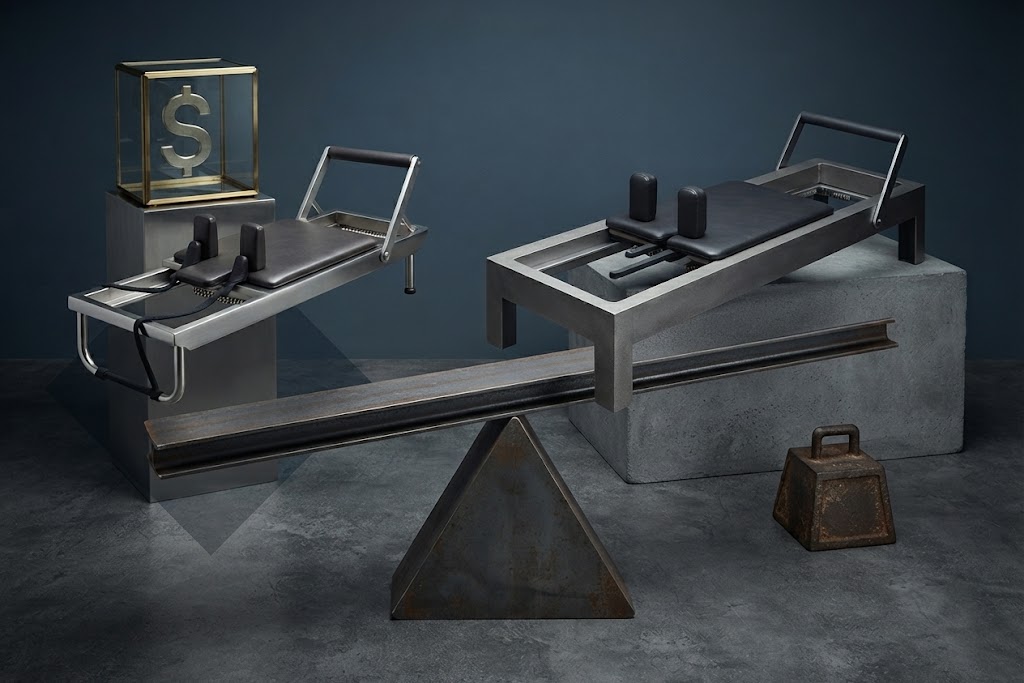
    Pilates reformer rental program comparison image

    Why Reformer Rentals Are Growing

    The demand for home Pilates equipment has grown tremendously since 2020. More people now prefer exercising from home, whether to save time, avoid commuting to studios, or enjoy a more flexible workout schedule.

    While home Pilates has become more accessible, many customers still hesitate before purchasing a reformer because they wonder:

    • Will I actually use it?
    • Will it fit comfortably in my home?
    • Will I enjoy reformer Pilates enough to justify the investment?
    • Which reformer should I buy?
    • Is a foldable model better for me, or should I choose a studio reformer?

    Rental programs remove much of this uncertainty. Instead of making a large purchasing decision immediately, customers can experience reformer Pilates in their own home and make an informed decision afterward.

    Advantages of Renting

    Lower Initial Cost

    One of the biggest benefits is the reduced upfront cost. Instead of spending several thousand dollars immediately, renters pay a much smaller amount to begin using a professional reformer.

    Try Before You Commit

    A reformer may look great online, but using one every week is a different experience. Renting allows customers to discover whether they truly enjoy reformer Pilates before purchasing.

    Test Your Space

    Many buyers worry about available space, ceiling height, flooring, storage, and daily accessibility. After using a reformer for several weeks, these questions usually answer themselves.

    Studio Feel at Home

    Modern reformers can provide an experience remarkably similar to professional Pilates studios. Many rental programs also include digital workout platforms, giving customers access to guided workouts from home.

    Less Buying Anxiety

    One of the biggest reasons customers hesitate to purchase is uncertainty. Rental programs reduce that uncertainty by letting customers experience the equipment first.

    Potential Downsides

    • Rental costs add up: If someone rents for many months, rental payments may eventually exceed the cost of ownership.
    • Shipping can be expensive: Pilates reformers are large freight items and often require scheduled delivery and specialized carriers.
    • Some programs require longer commitments: That may work well for committed users, but not for someone who only wants a short trial.

    Comparing Two Rental Models

    Although both companies offer reformer rentals, their philosophies are quite different. Rather than asking which is better, it is more useful to ask what each company is trying to accomplish.

    Your Reformer

    • Studio-quality reformer
    • Pilates accessories
    • Unlimited app access
    • White-glove delivery and collection in eligible service areas
    • Weekly rental pricing
    • Refundable security deposit
    • Minimum commitment of 12 weeks before cancellation

    For customers who know they want several months of home Pilates but are not ready to purchase, this subscription model can be an attractive option.

    PersonalHour

    • Luraush Aluminum Pilates Reformer
    • Minimum rental period of 30 days
    • $12 per day
    • PersonalHour App included
    • Pickup and return from the Ohio warehouse
    • Optional shipping available, with customers paying shipping and return freight if requested
    • Rent-to-Own option through payment of the remaining purchase balance under program terms

    PersonalHour approaches rentals as a risk-free try-before-you-buy experience. That shorter commitment can appeal to customers who want to test reformer Pilates before deciding whether ownership makes sense.

    Why Commitment Length Matters

    One of the biggest differences between the two programs is commitment. Your Reformer requires a minimum of 12 weeks, while PersonalHour’s pilot program starts at 30 days. Neither approach is inherently better. The right fit depends on whether you want a longer rental subscription or a shorter trial period.

    Delivery and Pickup

    Shipping large Pilates equipment is expensive. Some companies include delivery as part of the rental model, while others focus on reducing costs wherever possible. PersonalHour currently emphasizes warehouse pickup because freight often represents one of the largest costs in renting oversized fitness equipment.

    Rent to Own

    Perhaps the biggest difference is what happens after the rental ends. Many rental programs simply end when customers return the equipment. PersonalHour’s pilot introduces another possibility: if customers fall in love with the reformer, they can transition from renting to owning by paying the remaining purchase balance under the applicable program terms.

    Which Program Fits Best?

    A rental program should match your goals.

    • Consider Your Reformer if: you already know you’ll use a reformer for several months, prefer delivery and pickup services, and are comfortable with a longer minimum commitment.
    • Consider PersonalHour if: you’re buying your first reformer, want a shorter commitment, and like the idea of transitioning from renting to owning.

    Questions to Ask Before Renting

    • What is the minimum rental commitment?
    • Is delivery included?
    • Who pays return shipping?
    • What accessories are included?
    • Is a workout app included?
    • Can I purchase the reformer after renting?
    • What happens if I want to end the rental early?
    • Is the equipment new, refurbished, or previously rented?

    Final Thoughts

    The growth of Pilates reformer rental programs is good news for consumers. More flexible options mean more people can experience the benefits of reformer Pilates without committing to an immediate purchase.

    If your goal is to remove the uncertainty of purchasing a reformer, a shorter try-before-you-buy rental can provide valuable peace of mind. If you already know you want several months of home Pilates without purchasing, a longer rental subscription may be a better fit.

    Ultimately, the best rental program is not just the one with the lowest price. It is the one that aligns with your goals, your budget, and how you plan to build Pilates into your daily life.

  • What Is Reformer Pilates and How Does It Differ from Traditional Pilates?

    What Is Reformer Pilates and How Does It Differ from Traditional Pilates?

    What Is Reformer Pilates?

    Reformer Pilates is a style of Pilates performed on a specialized machine called a reformer. Unlike mat Pilates, which relies mostly on body weight and a floor mat, reformer Pilates uses a sliding carriage, springs, straps, and pulleys to create resistance and support. This setup allows for a wide range of exercises that can feel more dynamic, more adjustable, and sometimes more challenging than traditional mat-based work.

    The reformer itself was originally designed by Joseph Pilates, the founder of the Pilates method. It looks a bit intimidating at first, but it is built to help improve strength, control, flexibility, posture, and body awareness. Because the springs can be adjusted, reformer Pilates can work well for beginners, experienced exercisers, and people who want a more customized workout.

    What Is Traditional Pilates?

    Traditional Pilates usually refers to mat Pilates, where exercises are done on the floor using body weight, gravity, and sometimes small props like rings, bands, or balls. The focus is still on core strength, alignment, breathing, controlled movement, and precision, but the equipment is minimal. That makes mat Pilates more accessible for home practice and often easier to start with if you are new to the method.

    Even though mat Pilates may look simpler, it can be very demanding. Without the support of the reformer, your muscles often have to work harder to stabilize your body through each movement. In that sense, traditional Pilates is not necessarily easier. It is just different in how resistance and support are delivered.

    The Main Difference

    The biggest difference between reformer Pilates and traditional Pilates is the equipment. Reformer Pilates uses a machine with adjustable spring resistance, while traditional Pilates usually takes place on a mat with little or no large equipment. That one difference changes how the exercises feel, how the body is challenged, and how much support is available during movement.

    • Reformer Pilates adds resistance and assistance through springs and straps.
    • Traditional Pilates relies more on body weight and floor-based control.
    • Reformer workouts can offer more exercise variety and easier resistance adjustments.
    • Mat workouts are simpler to do anywhere and usually cost less to start.

    How Reformer Pilates Feels Different

    Many people notice that reformer Pilates feels smoother and more guided because the machine helps direct movement. The carriage creates motion, while the springs can either increase difficulty or provide support depending on the exercise. This can make certain moves more approachable for beginners, especially when learning proper alignment.

    At the same time, reformer Pilates can also feel more intense. The added resistance can challenge the legs, arms, glutes, and core in ways that mat Pilates does not. It also introduces a coordination element, since you are working with moving parts, straps, and changing spring settings.

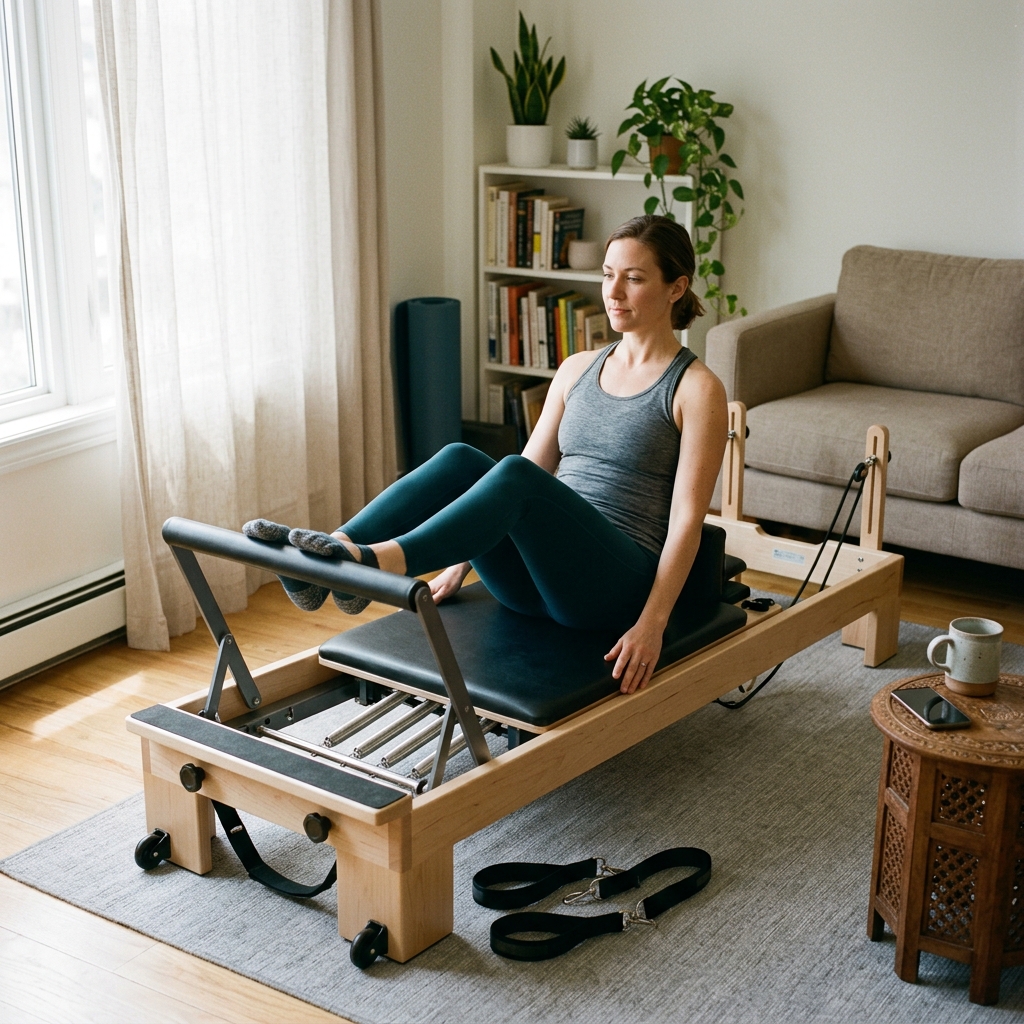
    Woman practicing reformer Pilates on a reformer machine
    Reformer Pilates uses a spring-based machine to add resistance and support.

    Benefits of Reformer Pilates

    • Adjustable resistance for different fitness levels
    • Support for alignment and controlled movement
    • Greater exercise variety than mat-only sessions
    • Strong focus on core stability and posture
    • Useful for strength, flexibility, and body awareness

    Benefits of Traditional Pilates

    • Easy to practice at home with minimal equipment
    • Lower cost to begin
    • Excellent for learning core control and breathing
    • Improves flexibility, posture, and movement quality
    • Accessible for short, consistent workouts

    Which One Is Better?

    Neither style is automatically better. The right choice depends on your goals, budget, access to equipment, and personal preference. If you want a more equipment-based workout with adjustable resistance and studio-style variety, reformer Pilates may be a great fit. If you want something simple, affordable, and easy to do anywhere, traditional mat Pilates may make more sense.

    For many people, the best approach is not choosing one over the other. Reformer Pilates and traditional Pilates can complement each other really well. Mat work builds deep control and awareness, while reformer work adds resistance, feedback, and variety.

    Final Thoughts

    Reformer Pilates differs from traditional Pilates mainly because of the machine, but both methods are built around the same core principles: control, precision, breathing, alignment, and mindful movement. Whether you start on a mat or on a reformer, both can help you build strength, improve posture, and move with more confidence.

    If you are exploring your options, try both styles if you can. The experience is different, but the benefits can work together beautifully.

  • Pilates Reformer Shipping Speed Compared: Which Brand Delivers Faster in 2026?

    Buying Guide

    Pilates Reformer Shipping Speed Compared

    A complete guide to lead times, warehousing, logistics, and what buyers should know before ordering in 2026.

    Buying a Pilates reformer is a significant investment. Whether you are creating a home Pilates studio, replacing aging equipment, or outfitting a commercial space, most buyers spend weeks comparing spring systems, carriage quality, frame materials, accessories, warranties, and price. Yet one factor often gets less attention until after the order is placed: how long will it take for the reformer to arrive?

    For many customers, shipping speed now matters almost as much as the equipment itself. A reformer delayed in production, waiting in a warehouse queue, or held up in freight transit can postpone training schedules, studio openings, instructor certification plans, or personal fitness goals. Because reformers are oversized freight products, delivery depends on much more than a label being printed. Inventory planning, inspection, packaging, freight scheduling, and customer communication all shape the final timeline.

    In this guide, we compare how several major brands approach fulfillment, including Balanced Body, Merrithew, Elina Pilates, and PersonalHour. We also reference buyer interest around Janet Elite delivery and Zous Pro shipping where relevant. Rather than making unsupported promises about exact delivery windows, this article explains the operational differences that often influence Pilates reformer lead time in the real world.

    Why shipping speed matters more now

    A decade ago, waiting several weeks or even a few months for professional Pilates equipment was considered normal. Most reformers were purchased by studios that planned far in advance, and buyers accepted longer production schedules as part of the process. The Pilates market has changed significantly. Home Pilates has expanded rapidly, and many customers now expect clearer timelines, better communication, and faster fulfillment for in-demand models.

    Studio Openings Depend on Delivery Dates

    For commercial studio owners, shipping delays can have real financial consequences. Opening a new studio often involves coordinating many moving parts at once, and reformer delivery is rarely an isolated detail.

    • construction timelines
    • flooring installation
    • instructor hiring
    • business licensing
    • marketing campaigns
    • member enrollment

    A delay in receiving reformers may postpone opening dates, affect early revenue, and reduce customer confidence before the first class even begins. Because of this, studio owners often prioritize reliable delivery estimates alongside equipment quality when choosing a manufacturer.

    International Manufacturing Adds Complexity

    Many premium Pilates reformers are manufactured using carefully engineered components sourced from different countries. Wood frames, aluminum rails, upholstery, springs, and hardware may all come from specialized suppliers before final assembly.

    Although this approach can produce exceptional equipment, it also introduces variables that may affect delivery, including:

    • material availability
    • factory scheduling
    • international freight
    • customs clearance
    • seasonal shipping congestion
    • port capacity

    Companies with domestic inventory can often reduce the impact of these factors for popular models, while custom-built equipment may naturally require additional production time.

    Shipping Speed Begins Long Before the Truck Arrives

    One of the biggest misconceptions among buyers is that shipping speed refers only to how quickly a freight company delivers the equipment. In reality, the transportation portion is often the shortest part of the process.

    The timeline usually looks something like this:

    • Customer places the order.
    • Inventory availability is confirmed.
    • Payment verification is completed.
    • Equipment is prepared.
    • Quality inspection is performed.
    • Accessories are matched.
    • Packaging is completed.
    • Freight pickup is scheduled.
    • Carrier transports the shipment.
    • Delivery appointment is arranged.
    • Equipment arrives.

    For an in-stock reformer, preparation before freight pickup may take only a few business days. For a made-to-order model, however, the manufacturing process itself can add several weeks before shipping even begins. That is why buyers should always ask two separate questions: How long until my order ships? and How long until it is delivered?

    What Determines a Pilates Reformer’s Lead Time?

    Several operational decisions influence how quickly a company can fulfill an order.

    • Inventory Strategy
      Some manufacturers keep their best-selling models stocked in regional warehouses, allowing orders to move quickly into inspection and packaging. Others prefer to manufacture after purchase, offering greater flexibility in customization but longer production schedules.
    • Custom Configurations
      Many professional reformers allow customers to choose options such as upholstery colors, frame finishes, tower systems, footbar styles, accessories, and commercial upgrades. Customization creates a personalized product but often extends production timelines because equipment is assembled specifically for each order.
    • Warehouse Network
      A company operating multiple warehouses may position inventory closer to customers, reducing freight transit time. Warehouse expansion can also improve inventory availability during periods of high demand by distributing stock across different regions.
    • Freight Partnerships
      Pilates reformers are generally transported through less-than-truckload freight carriers rather than standard parcel services. Reliable freight partnerships help manufacturers schedule pickups more efficiently, reduce handling damage, improve delivery communication, provide appointment scheduling, and sometimes offer upgraded in-home delivery options.

    Why Faster Isn’t Always Better

    While shipping speed is important, it should never come at the expense of product quality. A reputable manufacturer typically performs multiple checks before a reformer leaves the warehouse.

    These inspections may include:

    • frame alignment
    • spring installation
    • carriage movement
    • upholstery inspection
    • hardware verification
    • accessory matching
    • packaging integrity

    Skipping these steps might shorten preparation time, but it could increase the likelihood of shipping damage or missing components. For this reason, many established Pilates brands balance fulfillment speed with quality assurance, helping customers receive equipment ready for years of reliable use.

    The New Standard: Transparency

    Perhaps the biggest change in recent years is not simply faster shipping, but better communication. Today’s buyers increasingly expect clear availability information, estimated ship dates, tracking updates, responsive customer service, delivery scheduling, and proactive communication if delays occur.

    Transparency helps customers plan with confidence and reduces uncertainty throughout the purchasing process. As competition in the Pilates equipment industry continues to grow, logistics and customer communication have become meaningful differentiators alongside engineering, design, and performance.

    Balanced Body vs. Merrithew vs. Elina Pilates: Comparing Manufacturing, Lead Times, and Shipping Strategies

    Choosing a Pilates reformer involves more than selecting the right frame or spring system. Every manufacturer has developed its own philosophy for production, inventory management, and order fulfillment. Those decisions directly influence how quickly customers receive their equipment.

    Some brands prioritize extensive customization and build many reformers after an order is placed. Others maintain inventory of popular models in regional warehouses, allowing faster dispatch when stock is available. Neither approach is inherently better. Each reflects a different balance between flexibility, manufacturing efficiency, and customer expectations. Understanding these differences helps buyers set realistic delivery expectations before placing an order.

    Balanced Body: Premium Engineering with a Custom Manufacturing Approach

    Few companies have had as much influence on the modern Pilates industry as Balanced Body. Founded in California in 1976, the company has spent decades developing professional Pilates equipment used by instructors, rehabilitation clinics, universities, hospitals, and boutique studios around the world.

    Balanced Body has built its reputation through engineering improvements, product consistency, and a broad catalog of reformers and accessories. Their equipment is widely associated with precision engineering, high-quality woodworking, smooth carriage systems, commercial durability, extensive accessory compatibility, and long product life.

    When buyers research Balanced Body shipping, one of the biggest variables is customization. Many reformers can be ordered with different frame finishes, upholstery colors, heights, tower configurations, accessory packages, and commercial options. Rather than stocking every possible combination in a warehouse, many configurations are prepared specifically for each order. That gives customers flexibility, but it can also increase production complexity and extend lead times.

    In practical terms, the more accurate question is not simply “How long does a Balanced Body reformer take?” but “Which Balanced Body reformer, configured how, and is it currently in stock?” Popular models may move faster, while specialized setups may require additional manufacturing time before shipment. For studios and clinicians who value dependable equipment and long-term performance, that tradeoff may be well worth it.

    Merrithew: Streamlined Manufacturing with Global Distribution

    Merrithew, the company behind STOTT PILATES, is another major name in the professional Pilates world. Headquartered in Canada, Merrithew serves a global customer base and is known for education, equipment design, and commercial training systems.

    When buyers compare Merrithew shipping, they are often evaluating a premium brand with international reach and a strong studio presence. Global brands frequently manage more complex logistics because they may coordinate manufacturing, regional distribution, and cross-border freight. That does not automatically mean slower delivery, but it does mean timelines can depend heavily on destination, model selection, and current inventory positioning.

    Merrithew often appeals to customers who value a polished professional ecosystem and standardized equipment across locations. For those buyers, fulfillment speed is one part of a larger decision. The key is to confirm availability early, especially if the order is tied to a studio opening, renovation timeline, or fixed installation date.

    Elina Pilates: Dealer-Based Availability

    Elina Pilates has become increasingly visible in both residential and commercial markets, offering a broad selection of reformers ranging from compact home models to fully equipped studio systems. One of the defining differences in the Elina experience is that products are often available through a network of dealers and distributors rather than one single centralized sales channel.

    That dealer-based model can create meaningful differences in Elina Pilates delivery. Availability may vary by seller, region, and model. One dealer may have a specific reformer in stock domestically, while another may need to wait for inbound inventory or coordinate a transfer. As a result, buyers should not assume that every Elina listing reflects the same fulfillment timeline.

    This distribution model can be beneficial when local or regional inventory is available, because it may shorten freight distance and improve access to customer support. At the same time, it makes it especially important to verify the exact stock status, included accessories, and estimated ship window with the seller handling the order.

    Why availability can differ

    Dealer inventory varies considerably. One retailer may have several reformers ready to ship immediately while another may be waiting for the next international shipment. Because inventory is distributed across multiple businesses, availability often depends on regional demand, distributor inventory, incoming containers, local warehouse stock, and dealer purchasing schedules.

    This means two customers ordering the same reformer from different retailers may receive very different delivery estimates. Buyers should always ask whether a specific model is physically stocked, arriving soon, temporarily backordered, or available through another dealer.

    The advantage of dealer distribution is accessibility. Customers may find local retailers who can provide demonstrations, installation services, showroom visits, and local customer support. However, delivery speed depends heavily on each individual dealer’s inventory rather than a single nationwide fulfillment system.

    Comparing three different fulfillment philosophies

    Although these companies compete within the same industry, their logistics strategies are surprisingly different. Balanced Body prioritizes flexibility and customization. Merrithew emphasizes manufacturing consistency and production efficiency. Elina Pilates leverages distributor networks to make equipment available across multiple regions.

    Each strategy offers advantages depending on what the customer values most. Some buyers are comfortable waiting several additional weeks if they can customize every aspect of their reformer. Others prefer purchasing an in-stock model that can arrive sooner. Neither preference is wrong. The key is understanding what happens after clicking place order.

    Manufacturing time vs. shipping time

    Buyers often use the word “shipping” to describe the entire waiting period, but that can blur two very different stages. Manufacturing time covers production, assembly, inspection, and preparation before a freight carrier ever receives the order. Shipping time begins once the reformer has actually left the warehouse and entered the carrier network.

    This distinction matters because a company can have fast freight transit but still require a long production queue before dispatch. On the other hand, a reformer that is already in stock may ship quickly even if the final delivery still depends on appointment scheduling and regional freight routes. Understanding both stages helps buyers compare brands more accurately.

    The growing importance of domestic inventory

    The Pilates industry has changed dramatically as home fitness demand has grown. More customers now expect equipment to be available much sooner than in previous years. To meet those expectations, many manufacturers have expanded warehouse operations and increased inventory for their most popular products.

    • Faster order processing because orders can begin preparation immediately rather than waiting for manufacturing.
    • More predictable delivery because warehouse inventory reduces uncertainty associated with production schedules.
    • Reduced supply chain risk because stock already located within the United States is generally less affected by international shipping disruptions, port congestion, or customs delays.
    • Better customer communication because inventory visibility allows support teams to provide more accurate shipping estimates.

    PersonalHour logistics focus

    While every major Pilates equipment manufacturer has its own strengths, PersonalHour has chosen to differentiate itself through an area many customers value just as much as engineering and design: shipping speed and fulfillment efficiency. Instead of focusing only on manufacturing, the brand has invested heavily in logistics, inventory planning, warehouse operations, and customer fulfillment.

    That focus matters because faster shipping is rarely about the trucking company alone. The larger opportunity lies in reducing delays before the freight carrier even picks up the shipment. Inventory forecasting, warehouse organization, order verification, quality inspections, packaging, freight scheduling, customer communication, and delivery coordination all influence the final timeline.

    By improving each step, PersonalHour has positioned itself around a more responsive U.S.-based fulfillment model for many of its popular reformers. For buyers, the practical benefit is not just speed. It is greater clarity, fewer unknowns, and a more predictable path from checkout to delivery.

    Expanding U.S. inventory and long-term logistics

    One of the biggest advantages of a domestic inventory strategy is that it supports long-term logistics planning, not just short-term shipping claims. When popular models are stocked in advance, a company can respond more effectively during seasonal demand spikes, promotional periods, and busy freight windows.

    For customers, that can translate into better availability, more reliable preparation timelines, and stronger communication about what happens next. It also helps brands coordinate accessories, packaging, and outbound freight more efficiently instead of building every order from scratch after purchase.

    Janet Elite delivery

    Among PersonalHour’s best-known models, the Janet Elite stands out for home users who want a premium Pilates experience in a format that works well in modern living spaces. Because it appeals to buyers who often want to begin using their reformer quickly, inventory planning plays an especially important role in the Janet Elite delivery experience.

    When stock is available domestically, the Janet Elite can move into inspection, packaging, and freight scheduling much sooner than a made-to-order product. That does not eliminate the need for careful handling, but it can reduce the waiting period before the shipment enters the carrier network.

    Zous Pro shipping

    The Zous Pro reflects a similar logistics strategy for buyers who want a larger, more performance-oriented reformer. Interest in Zous Pro shipping often comes from serious home practitioners, instructors, boutique studios, and wellness professionals who want premium features without an open-ended wait.

    When inventory is already positioned within the United States, customers may benefit from shorter lead times and more direct freight coordination. As with any oversized fitness product, the exact timeline still depends on stock status, destination, and delivery service level, but domestic fulfillment can make the process more predictable.

    Side-by-side shipping comparison

    • Balanced Body: Often best for buyers who want premium engineering and customization, but delivery can vary significantly based on configuration and current stock.
    • Merrithew: Often appeals to buyers who value standardized production and a professional training ecosystem, with timelines shaped by model selection and destination.
    • Elina Pilates: Availability can vary by dealer, making local stock and seller communication especially important.
    • PersonalHour: Emphasizes domestic fulfillment, inventory planning, and faster processing for popular in-stock home reformers when available.

    This kind of comparison is more useful than trying to name one universal winner. The fastest option for one customer may not be the fastest for another if the exact model, configuration, or warehouse location is different.

    Customer benefits beyond speed

    Fast fulfillment matters, but buyers usually benefit most when speed is paired with reliability. Clear stock information, careful quality control, accurate accessory matching, proactive communication, and well-managed freight appointments all reduce stress during the buying process.

    In other words, the best shipping experience is not only about getting a reformer delivered quickly. It is about receiving the right equipment, in good condition, with a process that feels organized from start to finish.

    What buyers should ask before ordering

    • Is this model currently in stock?
    • Is it already located in the United States?
    • Is it made to order or ready for warehouse processing?
    • How long before it leaves the warehouse?
    • Which freight carrier will deliver it?
    • Are delivery appointments included?
    • Is white-glove or in-home service available?
    • What happens if the shipment is delayed or arrives damaged?

    These questions often provide more useful information than simply asking, “How fast do you ship?” Companies that answer them clearly usually provide a more transparent purchasing experience.

    Buyer considerations for home and studio use

    Home buyers often prioritize convenience, in-stock availability, and easier delivery coordination. Studio owners may care more about multi-unit orders, installation timing, and dependable delivery windows that align with opening schedules. The right brand for one situation may not be the best fit for the other.

    That is why it helps to evaluate shipping promises in context. A home buyer may prefer a standard in-stock model that arrives sooner, while a studio owner may accept a longer lead time in exchange for matching equipment across multiple reformers and accessories.

    Frequently asked questions

    Which Pilates reformer brand ships the fastest?

    There is no single answer because shipping depends on inventory availability, product configuration, and destination. Brands that maintain inventory within U.S. warehouses can often prepare orders faster than equipment requiring manufacturing after purchase.

    Why do lead times change?

    Lead times are influenced by seasonal demand, manufacturing schedules, inventory availability, freight capacity, product customization, and international shipping conditions. This is why estimated delivery dates may change throughout the year.

    Is faster shipping always better?

    Not necessarily. Quality inspection, careful packaging, and freight coordination remain essential for oversized equipment like Pilates reformers. The best companies balance fulfillment speed with product quality.

    Should I choose based only on shipping?

    No. Shipping is important, but buyers should also consider build quality, warranty, customer support, long-term durability, replacement parts availability, and overall value. The best purchasing decision considers the complete ownership experience.

    Final thoughts

    The Pilates industry has evolved significantly over the past decade. Customers no longer compare reformers only by springs, frames, or accessories. They also evaluate availability, delivery transparency, customer communication, warehouse infrastructure, and fulfillment reliability.

    Each of the brands discussed in this guide brings unique strengths to the market. Balanced Body continues to be recognized for exceptional engineering, premium craftsmanship, and extensive customization options that have made it a trusted name in professional Pilates for decades. Merrithew combines high-quality equipment with streamlined manufacturing processes and one of the world’s most respected Pilates education systems. Elina Pilates offers a diverse range of reformers supported through a broad network of dealers, providing flexibility for customers in different regions.

    PersonalHour has taken a complementary approach by investing heavily in logistics, warehouse operations, inventory planning, and fulfillment efficiency. By stocking many of its most popular models, including the Janet Elite and Zous Pro, within the United States, the company has worked to reduce waiting times for customers while maintaining thorough quality inspections before every shipment. For many in-stock models, orders can be prepared for shipment within 5–7 business days, helping customers begin their Pilates journey sooner when inventory is available.

    Ultimately, the best Pilates reformer is not simply the one that arrives first. It is the one that combines quality, reliability, responsive customer support, and a delivery experience that matches your expectations. As demand for Pilates continues to grow worldwide, manufacturers will likely continue investing in smarter logistics, improved inventory systems, and better customer communication. Buyers who understand how these fulfillment strategies work will be better equipped to choose a reformer that fits both their fitness goals and their timeline.
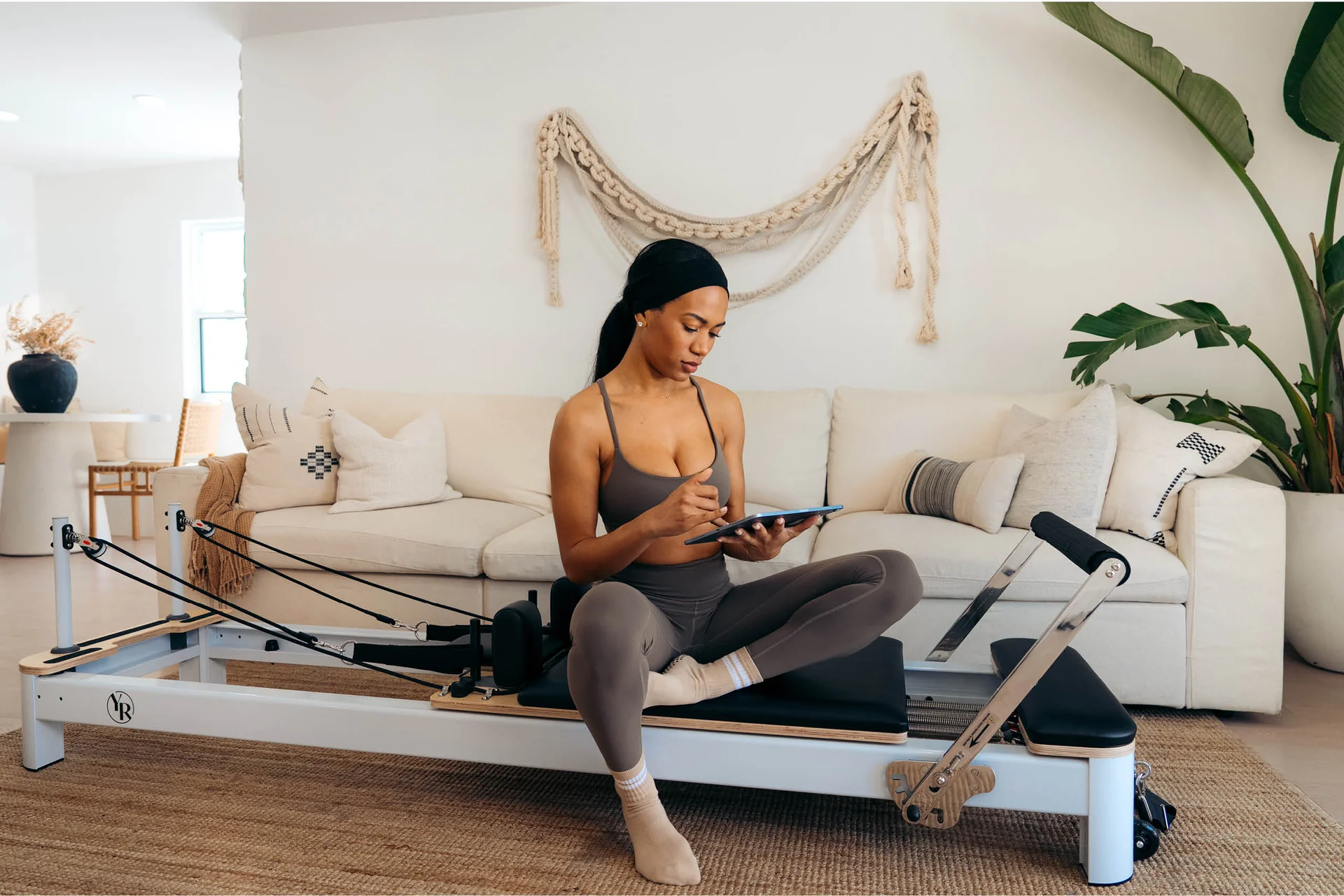
  • Effective Pilates Equipment: Comparing Balanced Body, AeroPilates, and PersonalHour Janet Elite Plus

    Effective Pilates Equipment: Comparing Balanced Body, AeroPilates, and PersonalHour Janet Elite Plus

    Pilates has become one of the most effective ways to improve strength, flexibility, posture, and overall wellness. As more people build home gyms and boutique studios, choosing the right Pilates equipment has become just as important as choosing the right workout program.

    Not all reformers are designed for the same purpose. Some focus on commercial studios, others emphasize affordability, while newer designs prioritize luxury aesthetics without compromising performance. In this guide, we’ll explore three respected names in the Pilates industry—Balanced Body, AeroPilates, and PersonalHour—and discuss what makes each effective for different users.

    The best reformer is one that encourages consistent use while supporting proper movement mechanics.

    What Makes Pilates Equipment Effective?

    Effective Pilates equipment should do more than simply move smoothly. A quality reformer should provide consistent spring resistance, stable construction, comfortable padding, precise carriage alignment, and accessories that allow users to perform a complete range of exercises.

    Other important considerations include:

    • Frame durability
    • Smooth carriage movement
    • Comfortable shoulder rests and footbar
    • Adjustable resistance
    • Quality ropes and pulleys
    • Long-term reliability
    • Design that fits the intended space

    Balanced Body: Professional Studio Performance

    Balanced Body is one of the world’s most recognized Pilates equipment manufacturers. Founded by Ken Endelman, the company has spent decades working alongside Pilates educators and physical therapists to develop equipment trusted by thousands of studios worldwide.

    One reason Balanced Body reformers are highly effective is their focus on precision engineering. Their aluminum frames, adjustable features, and carefully designed spring systems create a smooth, consistent experience suitable for both rehabilitation and advanced Pilates training.

    Balanced Body also invests heavily in instructor education, certification programs, and continuing education, helping establish a strong reputation throughout the professional Pilates community.

    Learn more about Balanced Body

    • Commercial Pilates studios
    • Physical therapy clinics
    • Professional instructors
    • Users wanting a traditional studio experience

    Founder Ken Endelman’s engineering mindset and long-term commitment to Pilates education have played an important role in the company’s continued success. His focus on innovation and instructor feedback has helped shape modern Pilates equipment standards.

    AeroPilates: Accessible Home Pilates

    AeroPilates has introduced thousands of beginners to reformer Pilates by creating equipment that is affordable, lightweight, and designed specifically for home use.

    Unlike commercial reformers, AeroPilates emphasizes accessibility. Many of their models include rebounders for cardio workouts, making them appealing to users looking for both Pilates and low-impact cardiovascular exercise.

    Their machines typically require less space and represent an affordable entry point into reformer Pilates.

    Learn more about AeroPilates

    • Beginners
    • Casual home users
    • Smaller living spaces
    • Budget-conscious buyers

    The company has built its reputation by making reformer Pilates more approachable for everyday consumers who may not be ready to invest in commercial-grade equipment.

    PersonalHour Janet Elite Plus: Luxury Home Pilates

    PersonalHour represents a newer generation of Pilates equipment manufacturers focused on combining professional performance with modern home design.

    Founded by Nadia Yacoub (Alshomali) and her father in Ohio, PersonalHour was created with the goal of making studio-quality Pilates more accessible without sacrificing aesthetics. Rather than designing equipment that looks purely commercial, the company developed reformers intended to complement luxury home interiors.

    One of its flagship models, the Janet Elite Plus, demonstrates this philosophy through premium hardwood construction, elegant finishes, and a foldable design that allows homeowners to save space without compromising stability.

    Learn more about the Janet Elite Plus

    The Janet Elite Plus includes:

    • Premium maple wood construction
    • Foldable space-saving design
    • Professional six-spring resistance system
    • Luxury upholstery
    • Jumpboard
    • Pilates box
    • Foot platform
    • Double-loop handles
    • Studio-quality accessories included

    Unlike many foldable reformers that prioritize compactness over performance, the Janet Elite Plus is engineered to provide a professional Pilates experience while remaining practical for everyday home living.

    The founders’ backgrounds also contribute to the company’s approach. Building PersonalHour from a family-operated business required listening closely to customer feedback, investing in product improvements, and focusing on long-term customer relationships. This customer-first mindset is reflected in the company’s emphasis on design, innovation, and post-purchase support.

    Why Founder Experience Matters

    Behind every successful Pilates equipment company is a clear vision.

    Balanced Body grew through engineering excellence and professional education.

    AeroPilates expanded by making reformer Pilates accessible to everyday households.

    PersonalHour focused on reimagining how luxury Pilates equipment could become part of modern homes while maintaining professional performance.

    A founder’s vision influences product development, customer experience, innovation, and long-term brand direction. Companies led by individuals who remain actively involved in product design often continue improving their equipment based on real customer feedback.

    Which Pilates Equipment Is Right for You?

    Each brand serves a different audience.

    • Choose Balanced Body if your priority is professional studio equipment backed by decades of instructor education.
    • Choose AeroPilates if you’re looking for an affordable introduction to home reformer Pilates.
    • Choose PersonalHour Janet Elite Plus if you want studio-quality performance combined with elegant furniture-inspired design, premium materials, and space-saving functionality.

    Final Thoughts

    Effective Pilates equipment is not defined by price alone. The best reformer is one that supports consistent practice, provides reliable performance, and fits both your goals and your lifestyle.

    Balanced Body continues to lead professional studios through engineering and education. AeroPilates has made reformer Pilates accessible to beginners worldwide. PersonalHour brings a fresh perspective by combining luxury design with professional-grade performance for today’s home wellness environment.

    As Pilates continues to grow globally, consumers now have more high-quality choices than ever before. Understanding the strengths of each manufacturer allows buyers to invest confidently in equipment that will support years of healthier movement, improved strength, and long-term wellness.

    Want more help choosing the right reformer? Explore our Reformer Buying Guide and Compare Brands page for more expert advice.

  • Foldable vs. Studio Pilates Reformers: Which One Is Best for Your Home?

    Choosing the right Pilates reformer is one of the most important decisions you’ll make when building a home workout space. While both foldable Pilates reformers and studio Pilates reformers deliver the core benefits of reformer Pilates, they are designed for different lifestyles, spaces, and fitness goals.

    Today’s home Pilates equipment has advanced significantly. Premium foldable models now offer a smooth carriage, durable construction, and professional-level performance that rivals many studio machines. Meanwhile, full-size studio reformers continue to provide the ultimate Pilates experience for dedicated practitioners.

    This guide explains the key differences between foldable and studio reformers to help you determine which option best fits your home, budget, and long-term wellness goals.


    What Is a Foldable Pilates Reformer?

    A foldable Pilates reformer is designed for people who want the benefits of reformer Pilates without permanently dedicating a room to fitness equipment. After your workout, the machine folds into a compact position, making storage simple.

    Many modern foldable reformers feature hardwood frames, smooth aluminum rails, professional spring systems, and integrated transport wheels. Unlike early folding models, today’s premium versions are engineered to provide excellent stability while remaining easy to store.

    Foldable reformers are especially popular among homeowners who value flexibility and efficient use of space.

    Advantages of a Foldable Pilates Reformer

    Space-Saving Design

    The greatest advantage of a folding reformer is convenience. Once your workout is complete, the machine can often be stored vertically or in a compact folded position, freeing valuable floor space.

    They’re an excellent solution for:

    • Apartments
    • Condominiums
    • Guest rooms
    • Home offices
    • Multipurpose living spaces
    • Smaller home gyms

    Easy to Move

    Most quality foldable reformers include transport wheels, allowing one person to reposition the equipment with minimal effort.

    This mobility is ideal for households where the reformer isn’t left out every day.

    Beginner-Friendly

    Foldable reformers are an excellent starting point for many first-time Pilates users because they are approachable, simple to operate, and easy to incorporate into a daily routine.

    Professional Performance at Home

    Today’s premium folding reformers provide smooth carriage travel, adjustable resistance, and excellent stability, allowing users to enjoy studio-inspired workouts without sacrificing living space.


    What Is a Studio Pilates Reformer?

    Studio Pilates reformers are full-size machines commonly found in Pilates studios, rehabilitation clinics, fitness centers, and dedicated home gyms.

    These machines are designed for frequent use and typically feature larger frames, commercial-grade components, wider carriages, and expanded exercise capabilities.

    Many studio reformers also support additional equipment such as half towers, full towers, jump boards, and advanced spring configurations.


    Benefits of a Studio Pilates Reformer

    Exceptional Stability

    Because studio reformers are heavier and permanently assembled, they provide an incredibly solid workout platform with minimal movement during advanced exercises.

    Smooth Carriage Motion

    Professional-grade rails, precision bearings, and larger frames create an exceptionally smooth glide that experienced Pilates practitioners appreciate.

    Expanded Exercise Options

    Studio reformers often support:

    • Half towers
    • Full towers
    • Jump boards
    • Additional spring resistance
    • More advanced Pilates programming

    These accessories increase exercise variety and make the machine suitable for both beginner and advanced users.

    Built for Long-Term Use

    Commercial-quality materials are designed to withstand years of consistent training in both home and professional environments.


    Foldable vs. Studio Reformers: Key Differences

    FeatureFoldable ReformerStudio Reformer
    StorageFolds for compact storagePermanent setup
    Space RequiredSmall to mediumMedium to large
    MobilityEasy to moveUsually stationary
    StabilityExcellentOutstanding
    Professional FeelVery goodPremium
    Exercise VarietyExtensiveMaximum
    Best ForHome users, apartmentsDedicated Pilates rooms
    Price RangeGenerally lowerTypically higher

    Which Pilates Reformer Is Better for Beginners?

    For many people beginning their Pilates journey, a foldable reformer offers the ideal combination of convenience, affordability, and functionality.

    A folding model is often the best choice if you:

    • Have limited workout space
    • Prefer equipment that can be stored
    • Exercise several times each week
    • Want studio-quality workouts at home

    However, if Pilates becomes a long-term commitment and you have a dedicated exercise room, investing in a studio reformer can provide an even more premium training experience.


    Does a Foldable Pilates Reformer Provide the Same Workout?

    One of the most common misconceptions is that foldable reformers deliver an inferior workout.

    In reality, a high-quality folding reformer can effectively improve:

    • Core strength
    • Flexibility
    • Balance
    • Coordination
    • Posture
    • Muscle endurance
    • Functional movement

    The quality of your workout depends far more on proper technique and consistent practice than whether your reformer folds.

    The primary differences between foldable and studio models are convenience, available accessories, and overall machine size—not exercise effectiveness.


    Space Planning Before You Buy

    Before selecting a reformer, think about how you intend to use it every week.

    A foldable reformer is ideal if you need your workout area to serve multiple purposes or if you want the flexibility to store your equipment after each session.

    A studio reformer is the better choice if you have a dedicated home gym or wellness room where the machine can remain assembled and ready to use.

    Measuring your available floor space before purchasing will help ensure the best fit.


    Which Pilates Reformer Should You Choose?

    Choose a Foldable Pilates Reformer if you:

    • Live in an apartment or condo
    • Need to store your equipment after workouts
    • Want maximum flexibility
    • Are new to reformer Pilates
    • Prefer a lower initial investment

    Choose a Studio Pilates Reformer if you:

    • Have a dedicated home gym
    • Practice Pilates several times per week
    • Want commercial-quality equipment
    • Plan to add a tower or advanced accessories
    • Prefer the feel of a professional studio machine

    Finding the Right Pilates Reformer

    The best reformer is the one that fits seamlessly into your lifestyle and encourages consistent exercise. Whether you choose a compact folding model or a full-size studio machine, regular Pilates practice can improve strength, posture, flexibility, mobility, and overall well-being.

    When comparing models, consider factors beyond price, including build quality, carriage smoothness, spring system, available accessories, warranty, customer support, and long-term durability.

    A thoughtfully chosen Pilates reformer can become one of the most valuable investments in your health, helping you enjoy studio-quality workouts from the comfort of your own home for years to come.