Pilates can feel surprisingly doable
If you are curious about Pilates but not sure where to start, you are in very good company. A lot of beginners assume they need a reformer, a studio membership, or instant flexibility, but the truth is much simpler: Pilates starts with better breathing, better control, and a better connection to how your body moves.
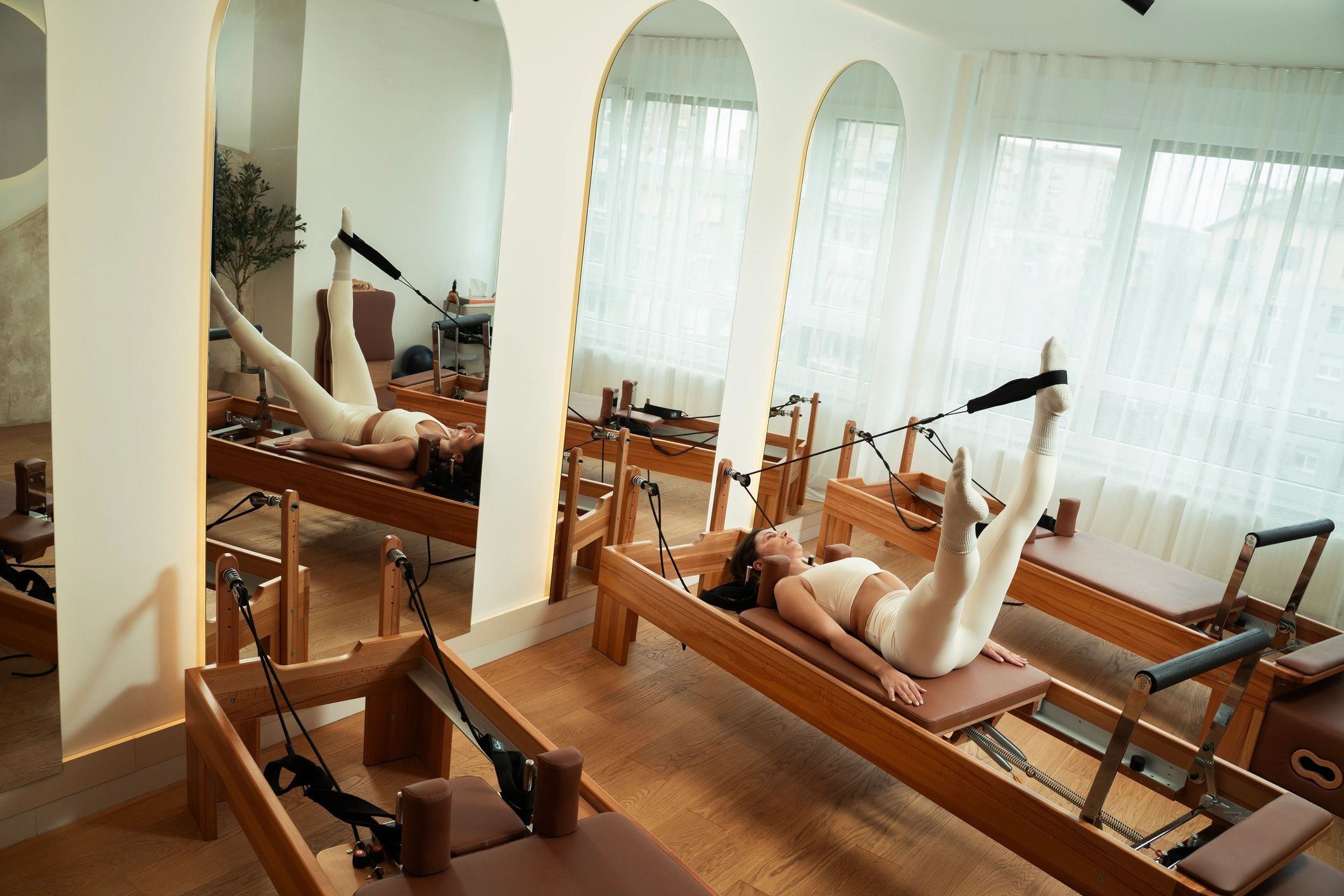
At The Pilates Blog, we are here to make that learning curve feel lighter. Whether you want to move more confidently at home, understand what reformer Pilates actually does, or make smarter equipment decisions later on, this is the kind of practical guidance you can expect from us.
Why beginners stick with Pilates
- It builds strength without feeling aggressive. Small, controlled movements can be more challenging than they look, in the best way.
- It improves body awareness. You start noticing posture, alignment, and movement habits you never paid attention to before.
- It works well at home. Many foundational exercises need little to no equipment, which makes consistency easier.
- It supports everyday movement. Getting up, sitting down, reaching, walking, and carrying things can all feel smoother with better core control.
What you will find here
We created this site for readers who want clear answers without the intimidating fitness jargon. You will find beginner guides, at-home Pilates tips, reformer explainers, buying advice, brand comparisons, and expert-backed insights that help you separate useful information from expensive hype.
Pilates does not ask you to be perfect. It asks you to pay attention, move with intention, and keep showing up.
7 quick wins to expect early
- You will notice your posture more. Even before dramatic changes, you may catch yourself sitting taller.
- Your core will feel more awake. Not six-pack awake. More like “oh, those muscles do have a job” awake.
- Breathing gets more intentional. Pilates teaches you to connect breath with movement, which can make exercise feel less chaotic.
- You may feel stronger in small ways. Rolling out of bed, standing longer, or climbing stairs can start to feel easier.
- Mobility often improves. Gentle, controlled movement can help you feel less stiff, especially if you sit a lot.
- Workouts feel more focused. Pilates rewards concentration, which can be refreshing if you are tired of random routines.
- You gain confidence. Once you understand the basics, trying a mat class or exploring a reformer becomes much less intimidating.
A smart way to begin
Start small. Pick two or three beginner movements, practice for 10 to 15 minutes, and focus on form over speed. You do not need a perfect setup or a dramatic before-and-after story to benefit from Pilates. You just need a starting point that feels realistic enough to repeat.
More guidance is coming
This post is your welcome mat. From here, The Pilates Blog will help you explore Pilates at home, understand reformer training, compare equipment options, and make smarter choices if you are thinking about buying a reformer of your own. If you like practical advice with a friendly tone and the occasional wink, you are in the right place.
FAQ
Can beginners really start Pilates at home?
Yes. Many beginners start successfully at home with simple movements, short sessions, and a focus on breathing, control, and consistency.
Do I need a reformer to begin Pilates?
No. You can start Pilates with basic mat exercises and build confidence before deciding whether you want to explore reformer training later.
What benefits might I notice early with Pilates?
Many beginners notice better posture, stronger core awareness, improved breathing, more mobility, and greater confidence in movement.
How long should a beginner Pilates session be?
Starting with 10 to 15 minutes is a smart and realistic way to build consistency without making the routine feel overwhelming.
What is the best way to stay consistent with Pilates at home?
Keep it simple, start small, and choose a routine that feels realistic enough to repeat regularly rather than aiming for perfection right away.